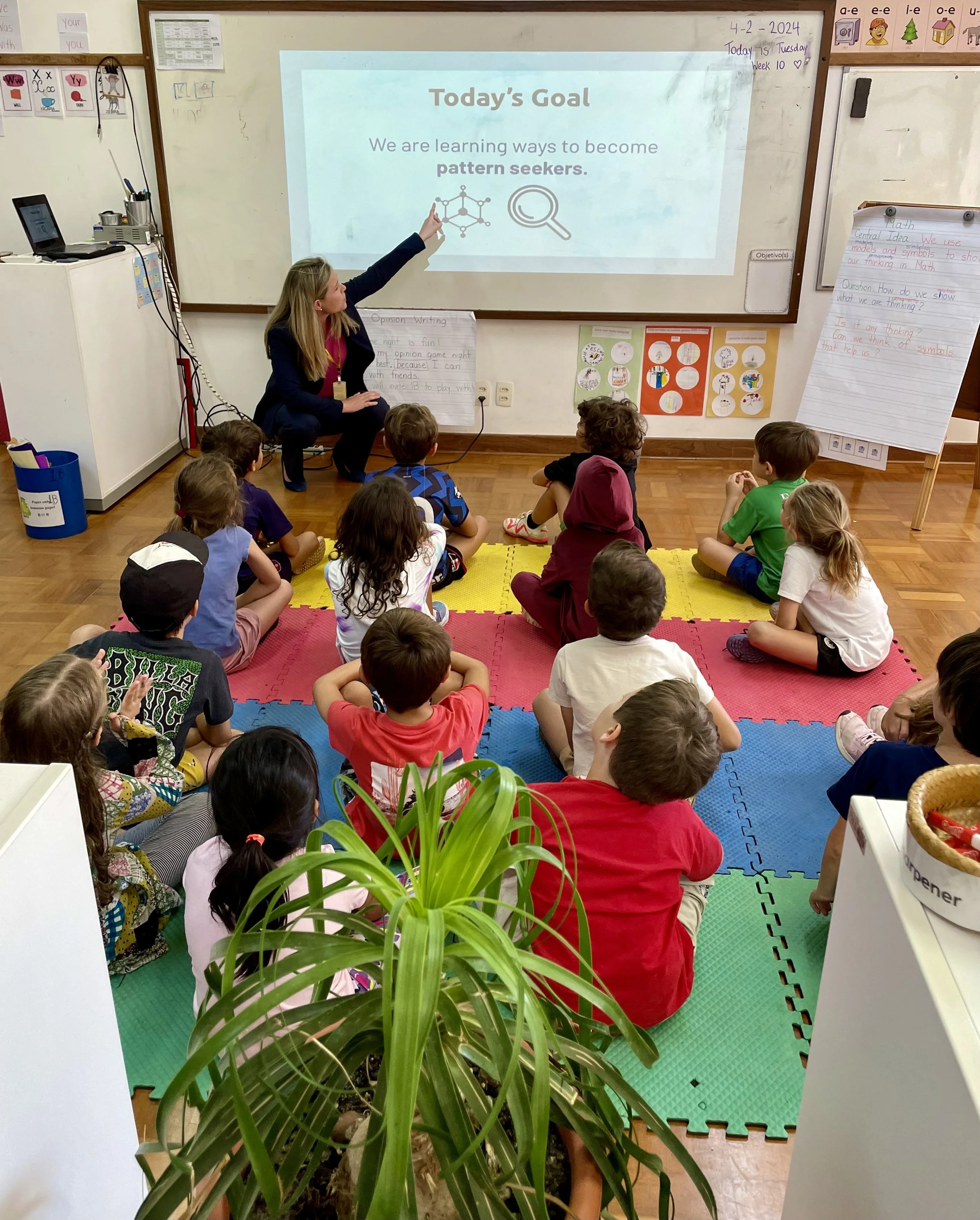
Teaching What Matters: The Essential Concepts Framework + Resources
Teach the ideas students will use again and again.
The Essential Concepts Framework identifies the most important ideas within each discipline and gives teachers ready-to-use resources to help students understand them deeply, connect them, and transfer their learning to new situations.
Created by four-time bestselling author Julie Stern, named by John Hattie as his “go-to person” on transfer of learning.
We cannot future-proof the curriculum.
We can build learning that transfers.
Students encounter thousands of pieces of information.
Which ideas should they carry forward?
Standards, facts, vocabulary, skills, texts, formulas, events, processes, and assessments can quickly become disconnected pieces of learning.
Essential concepts help students see the bigger picture.
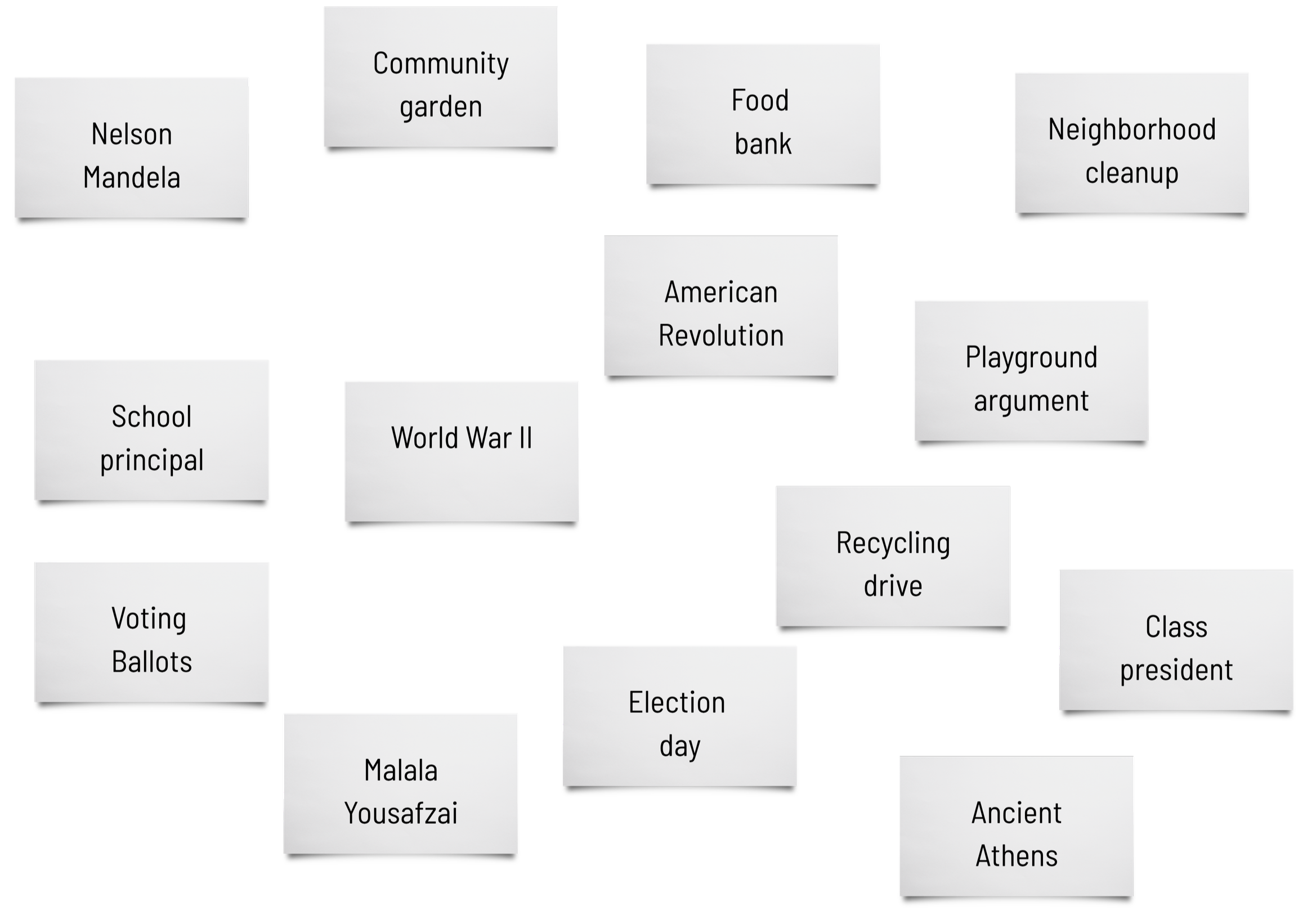
They give students ideas around which they can organize knowledge, recognize patterns, make connections, and make sense of unfamiliar situations.
From information
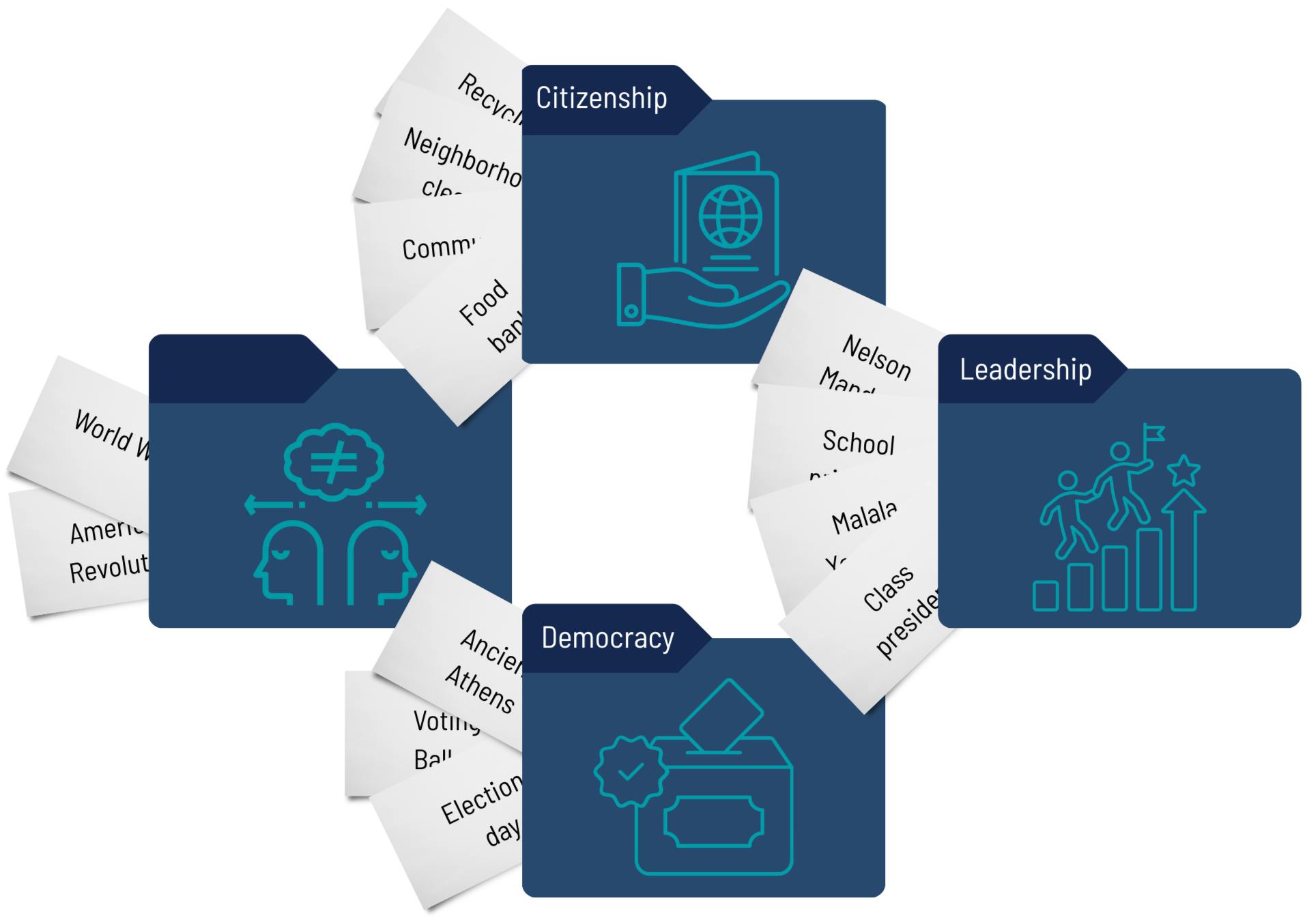
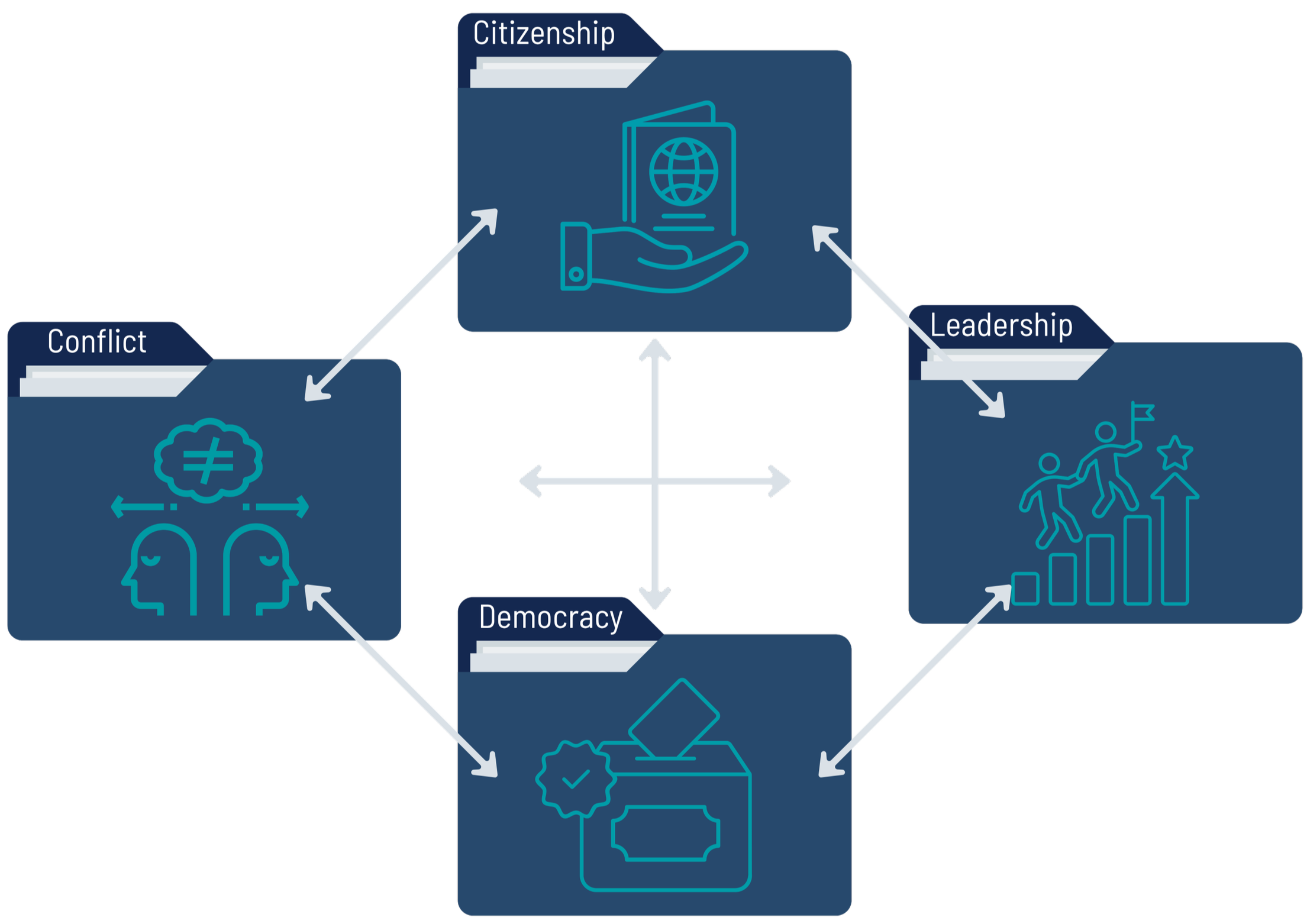
To organization
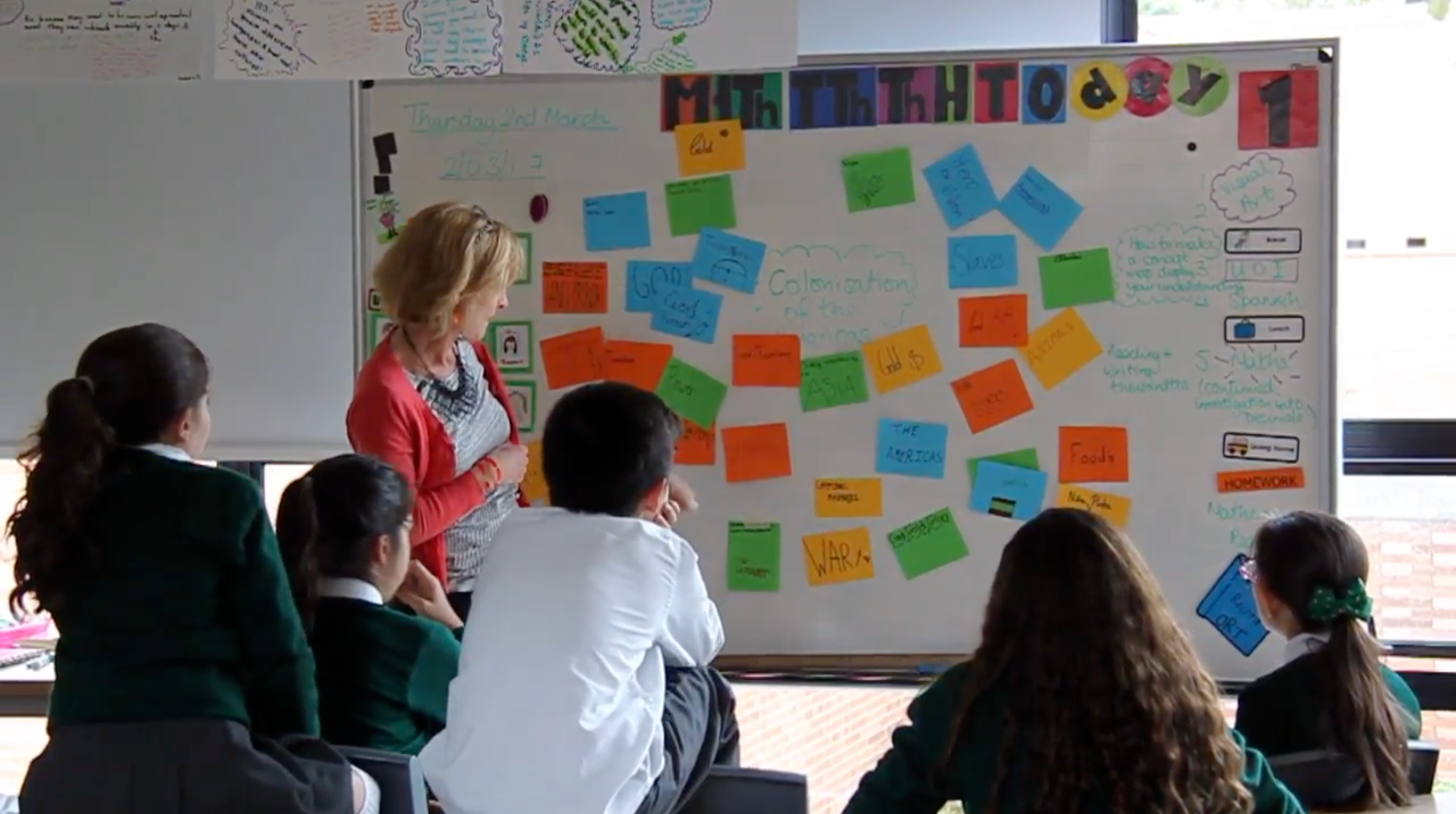
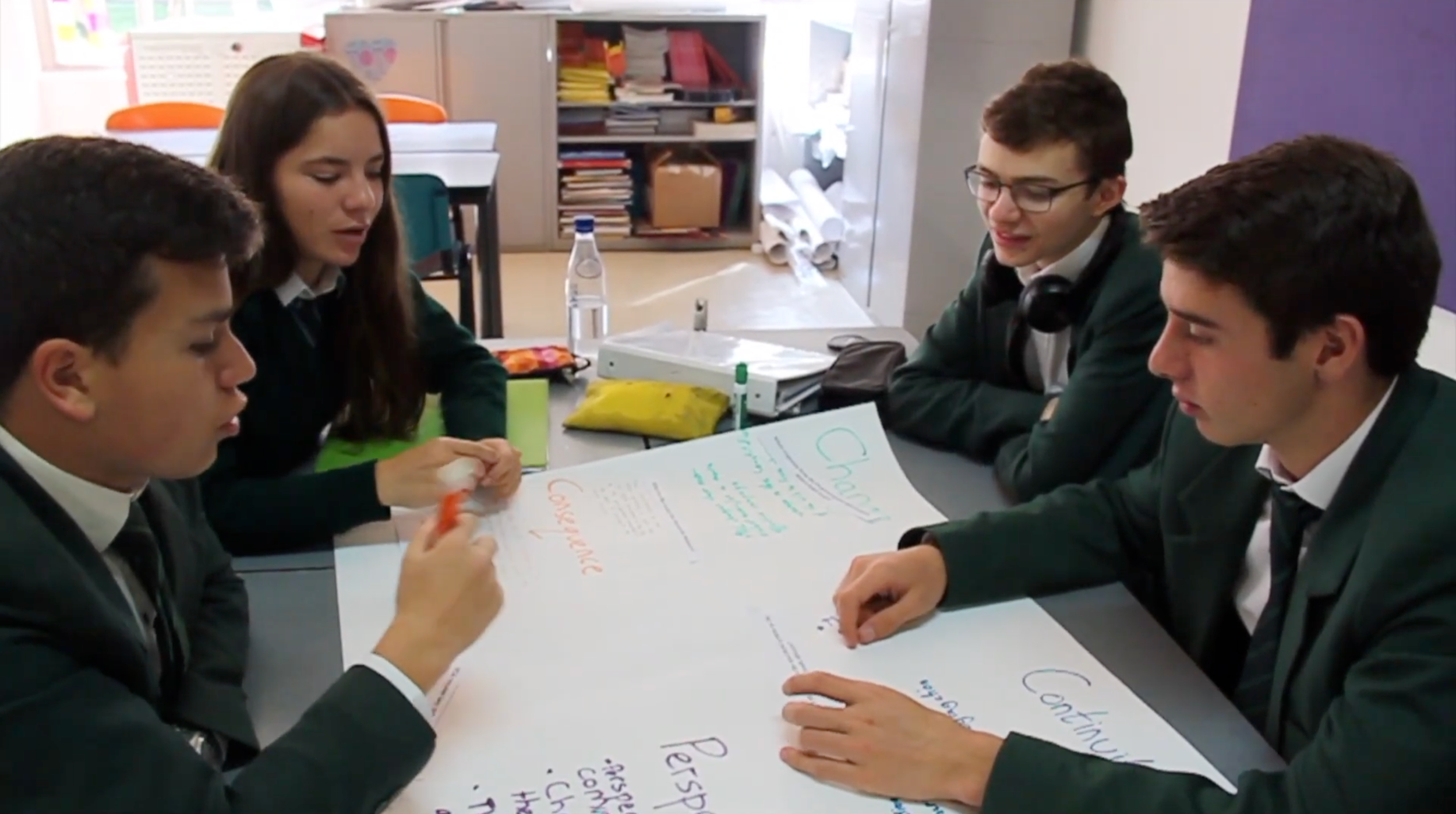
A crowded curriculum can create the illusion of rigor.
Build learning around what matters most.
The Essential Concepts Framework helps schools focus learning around the ideas students will encounter, refine, and use again and again.
IDENTIFY WHAT MATTERS
Focus on recurring, foundational ideas that unlock important learning within the discipline.

BUILD DEEP UNDERSTANDING
Give students multiple ways to explore, represent, discuss, and connect abstract ideas.

TRANSFER LEARNING
Help students recognize and use those ideas when the topic, task, or context changes.

A framework for what matters. Resources for how to teach it.
THE FRAMEWORK
Know what matters.
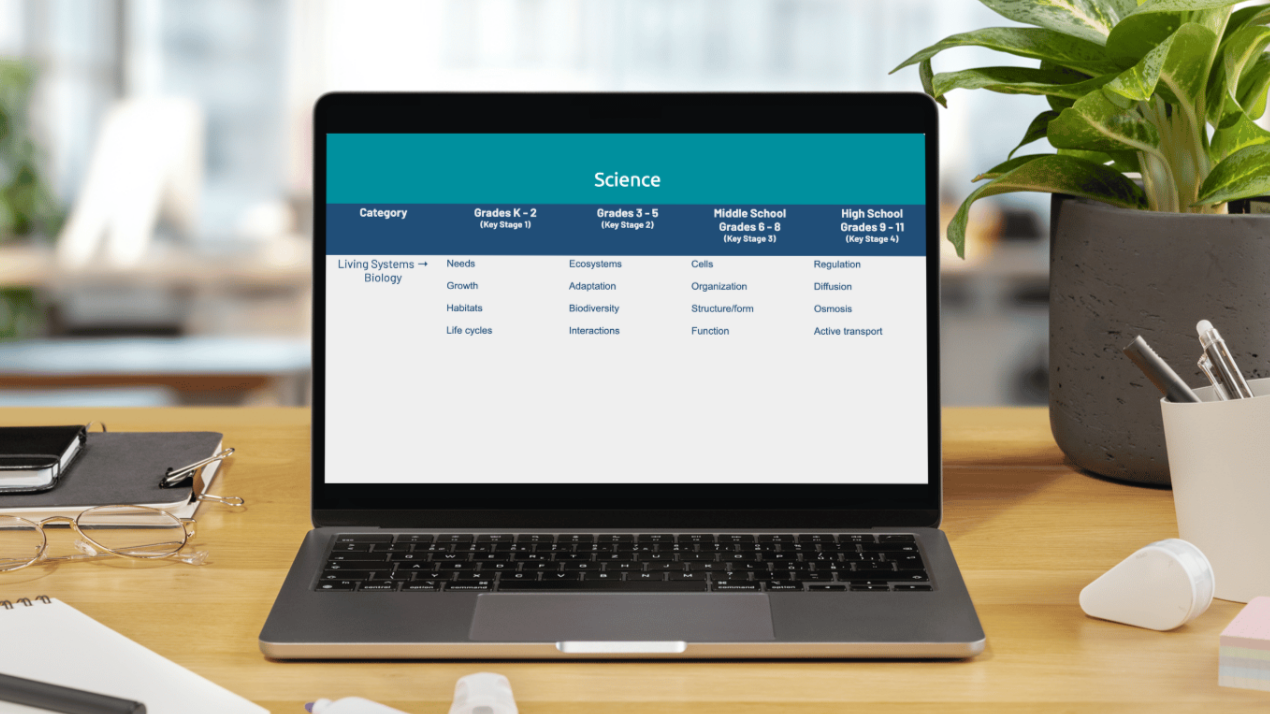
The Essential Concepts Framework identifies the most foundational, recurring, and transferable concepts within each discipline and age band, from early childhood through secondary.
It gives schools a clearer view of the ideas students should revisit and deepen over time.
THE TEACHING RESOURCES
Bring those ideas to life.
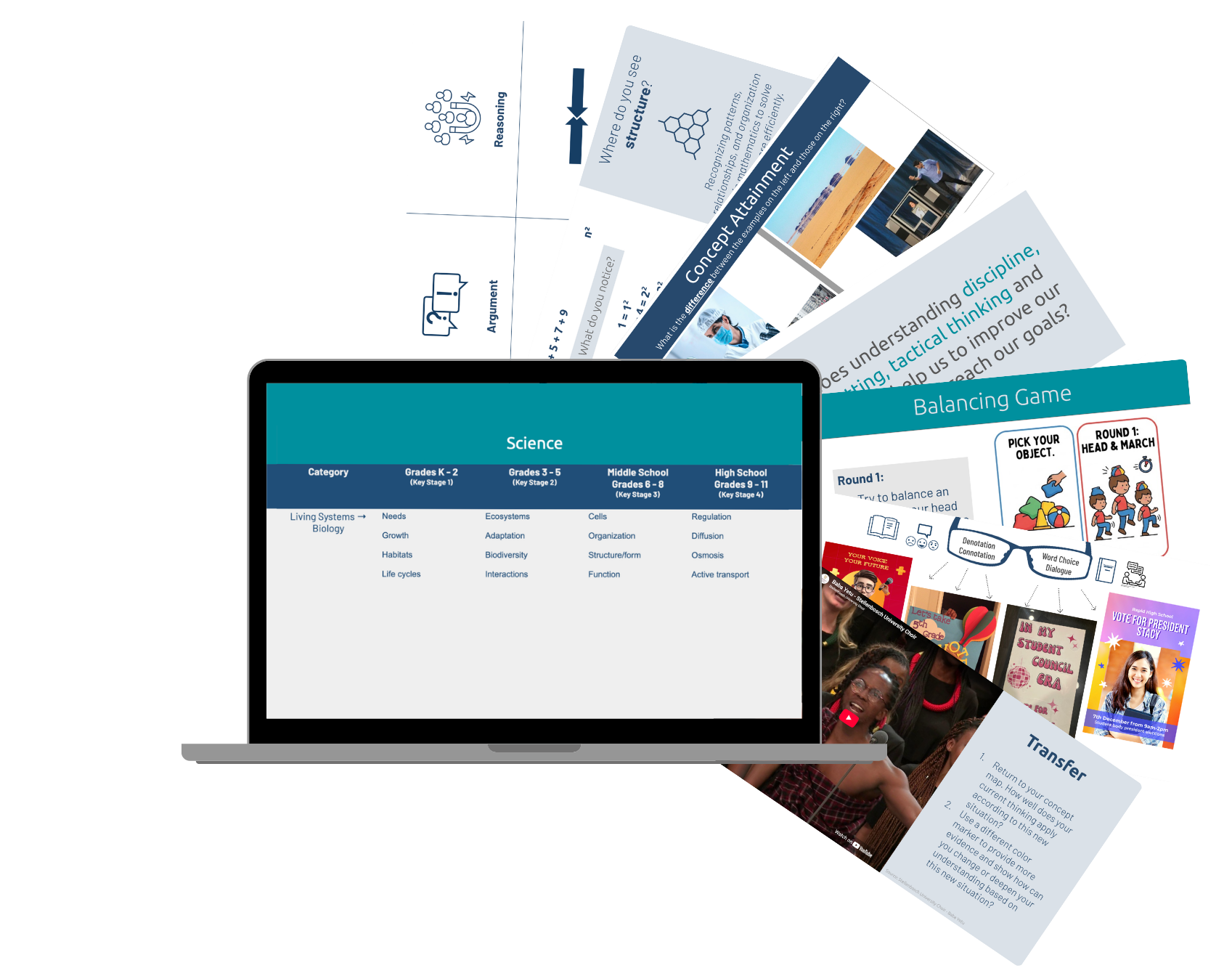
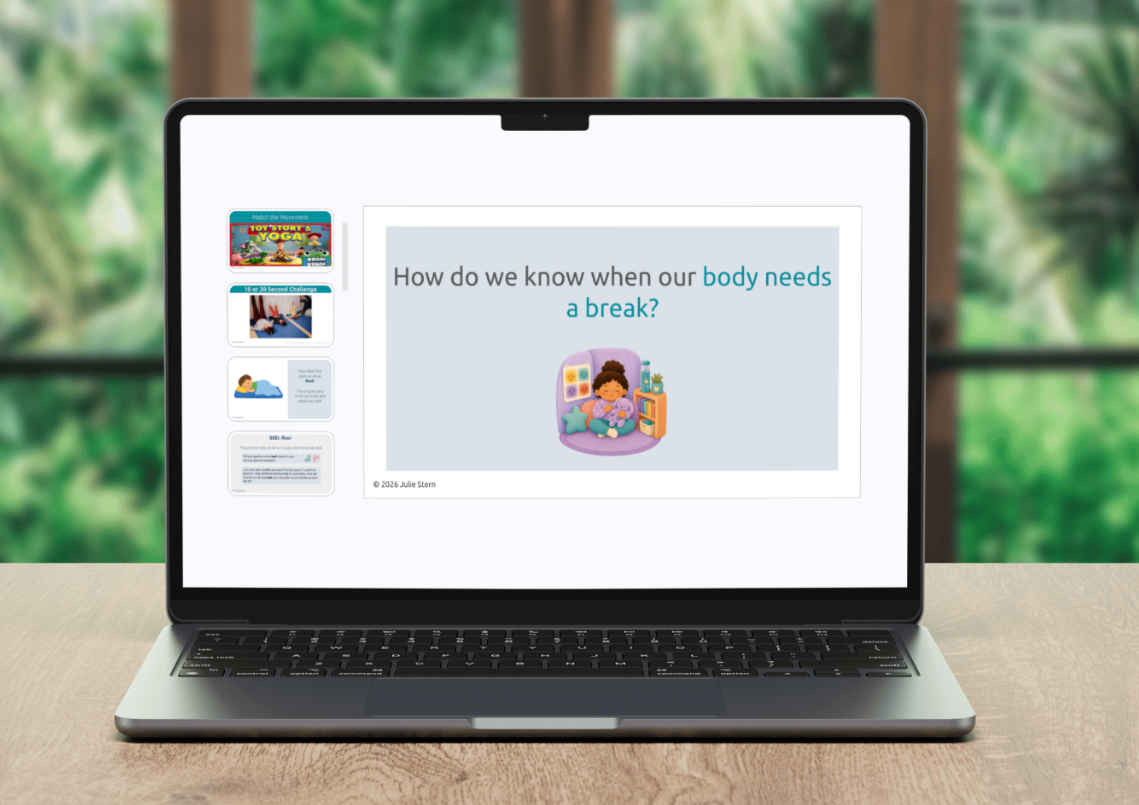
Each essential concept includes ready-to-use resources designed to help students build meaning, make connections, inquire, and transfer their understanding.
Teachers can use a complete learning sequence or select the resources that best fit their students and curriculum.
“Julie Stern’s work is a gift to educators around the globe! Her Essential Concepts Framework identifies the disciplinary ideas worth holding onto – the understandings students can return to, build upon, and use long after they leave our classrooms. She then goes above and beyond creating a resource to teach those transferable concepts that is so thoughtfully curated and chock-full of thoughtful, practical tools that support educators to design the deep learning experiences we'd want for all students.
Brava, Julie!”
— Jennifer Abrams, Author & Global Communications ExpertWhat makes a concept essential?
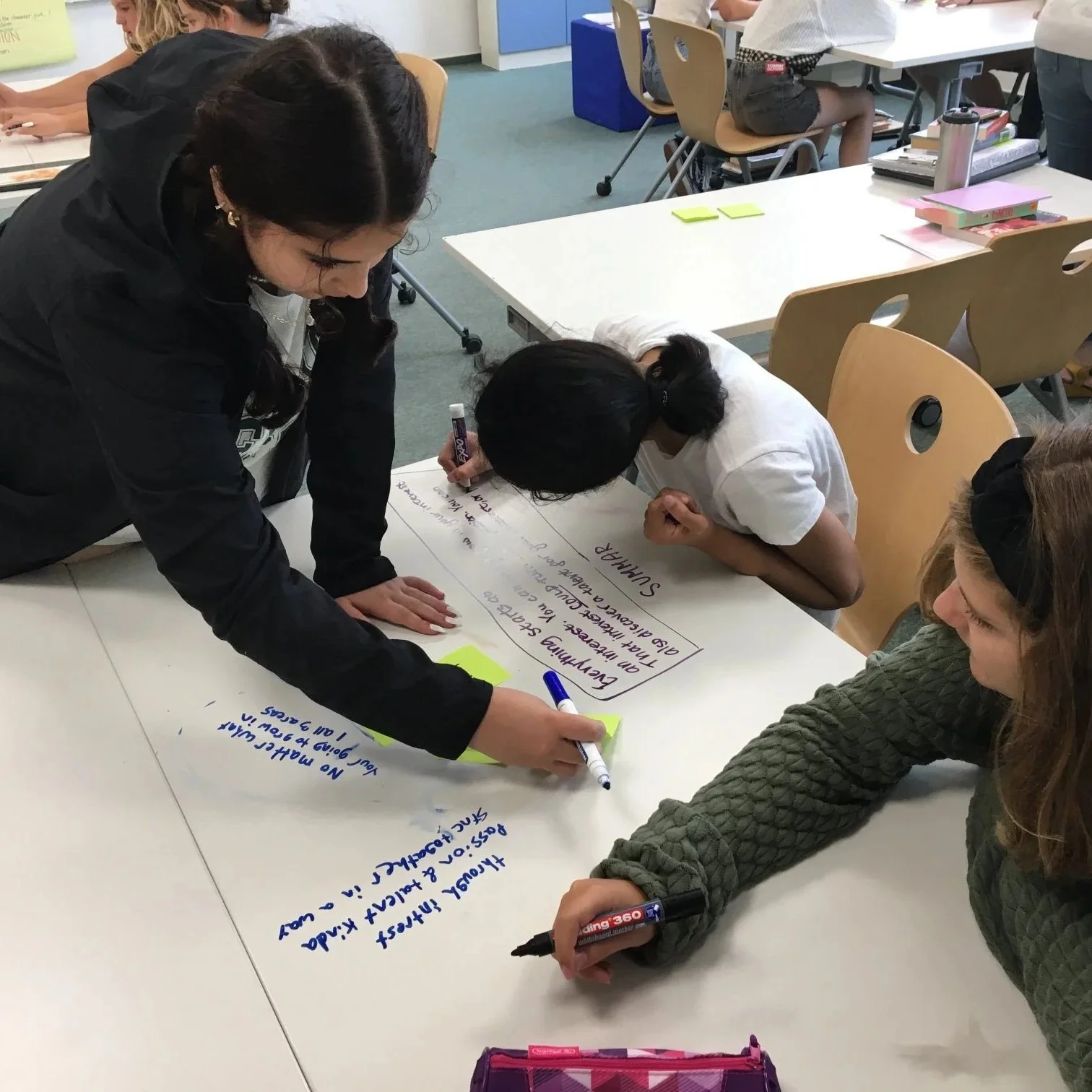
Essential does not simply mean important.
An essential concept earns repeated attention because understanding it makes other learning more powerful.
RECURRING
Does the concept warrant repeated attention across years of learning?
FOUNDATIONAL
Does understanding this concept unlock important learning within the discipline?
TRANSFERABLE
Will students use this idea beyond one lesson or unit?
DEVELOPMENTALLY APPROPRIATE
Is this concept worth understanding at this stage?
CONNECTION-RICH
Does it help students connect ideas and build a stronger schema?
One concept. Multiple pathways into understanding.
Each teaching deck gives teachers multiple ways to help students build meaning, connect ideas, and use their understanding.
-
![]()
CONCEPT ICON
Make the abstract visible.
A memorable visual gives students an anchor for an idea they can revisit across learning experiences. -
![]()
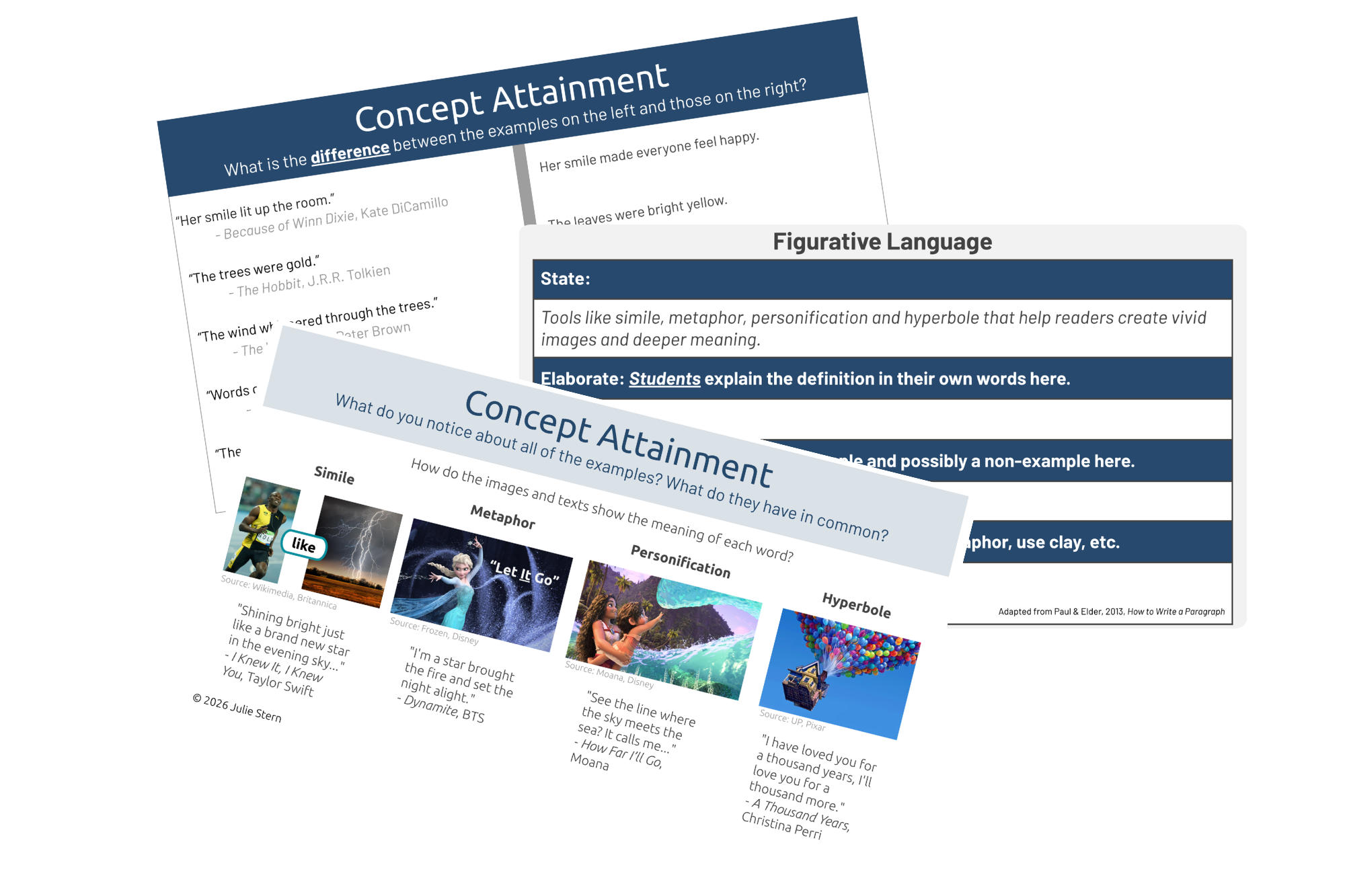
CONCEPT ATTAINMENT
Build meaning through examples and non-examples.
Students notice patterns, test ideas, refine their thinking, and develop increasingly precise understanding.
-
![]()
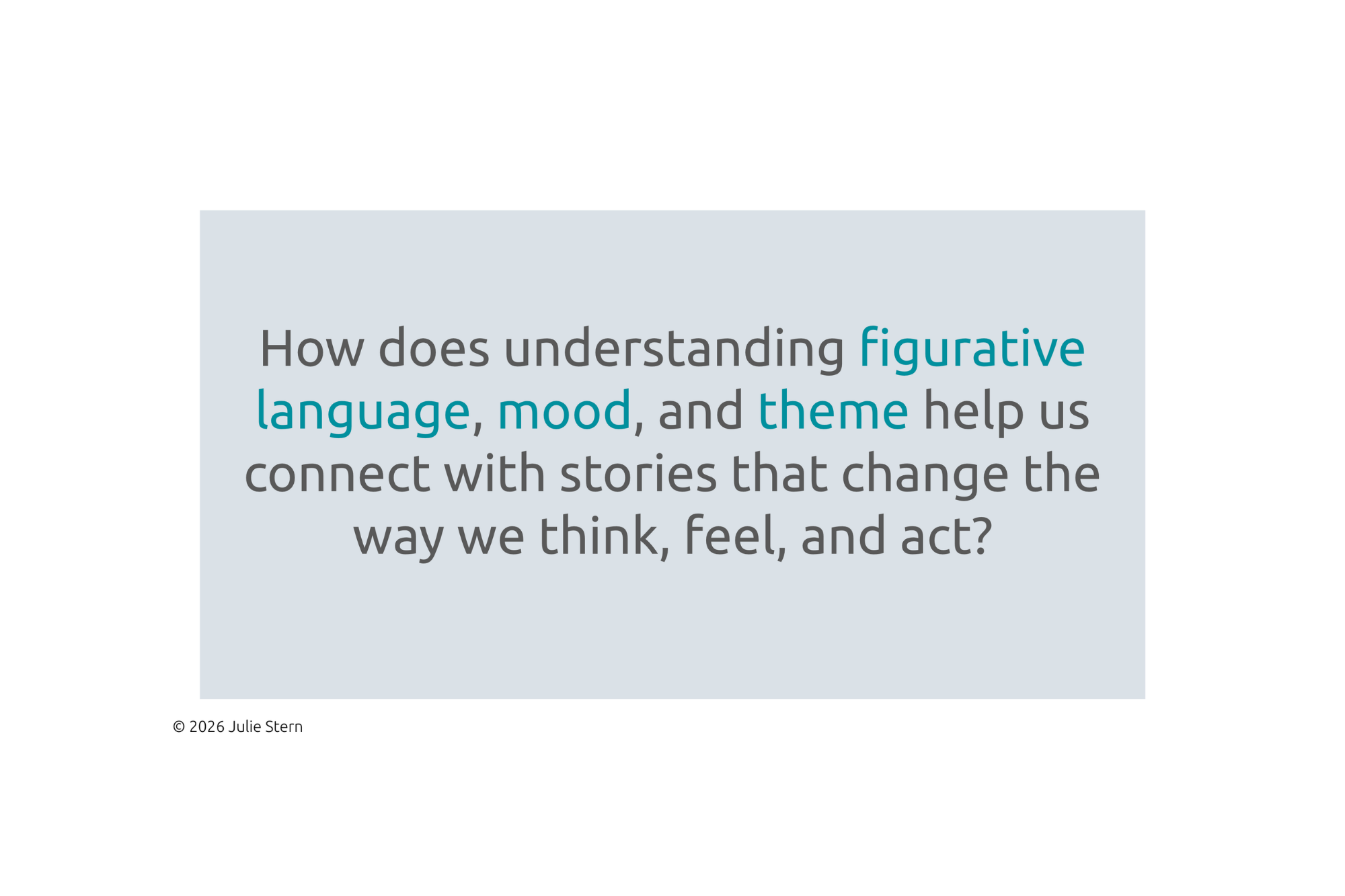
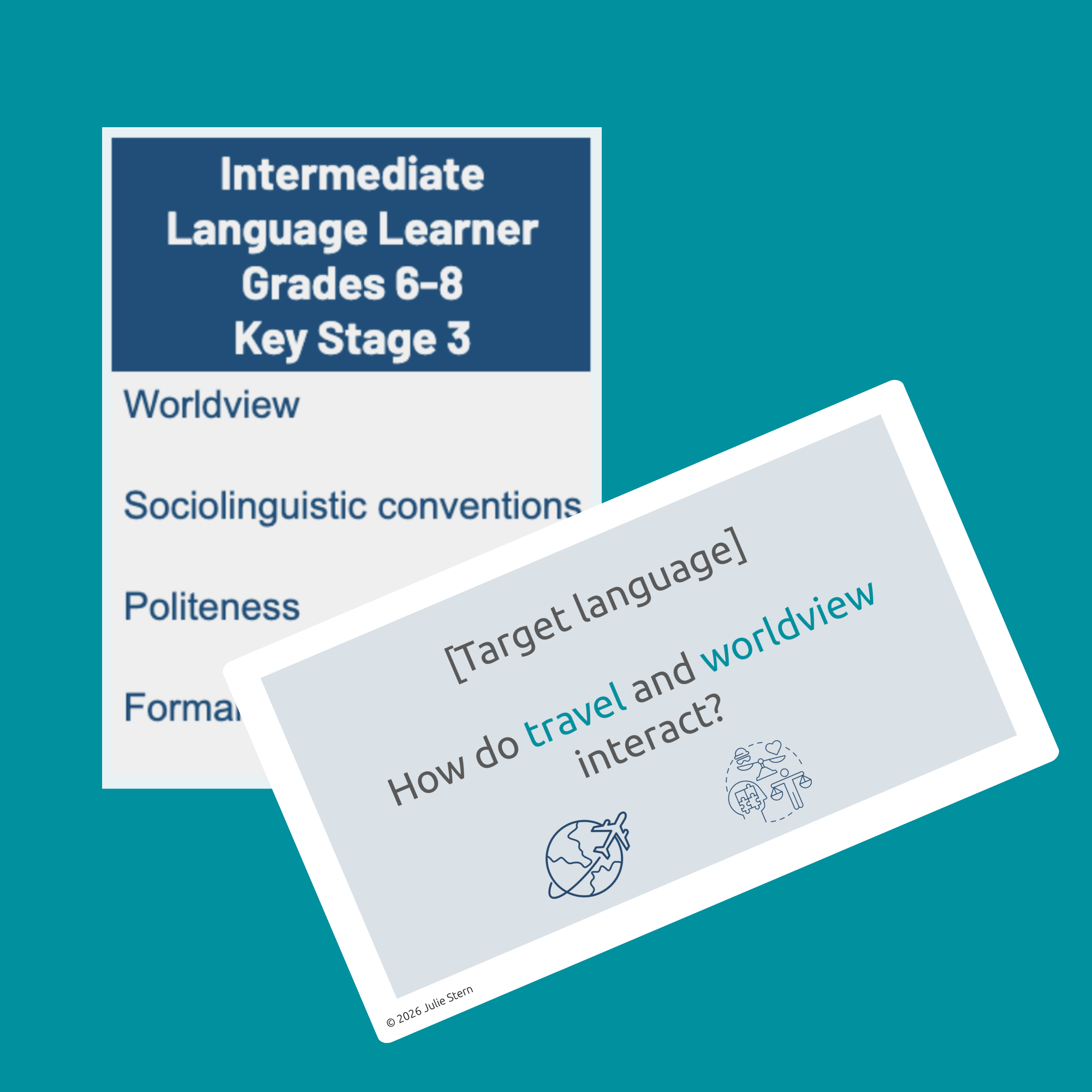
INQUIRY QUESTION
Give students something worth investigating.
Inquiry Questions invite students to explore how the concept operates within the discipline and beyond it.
-
![]()
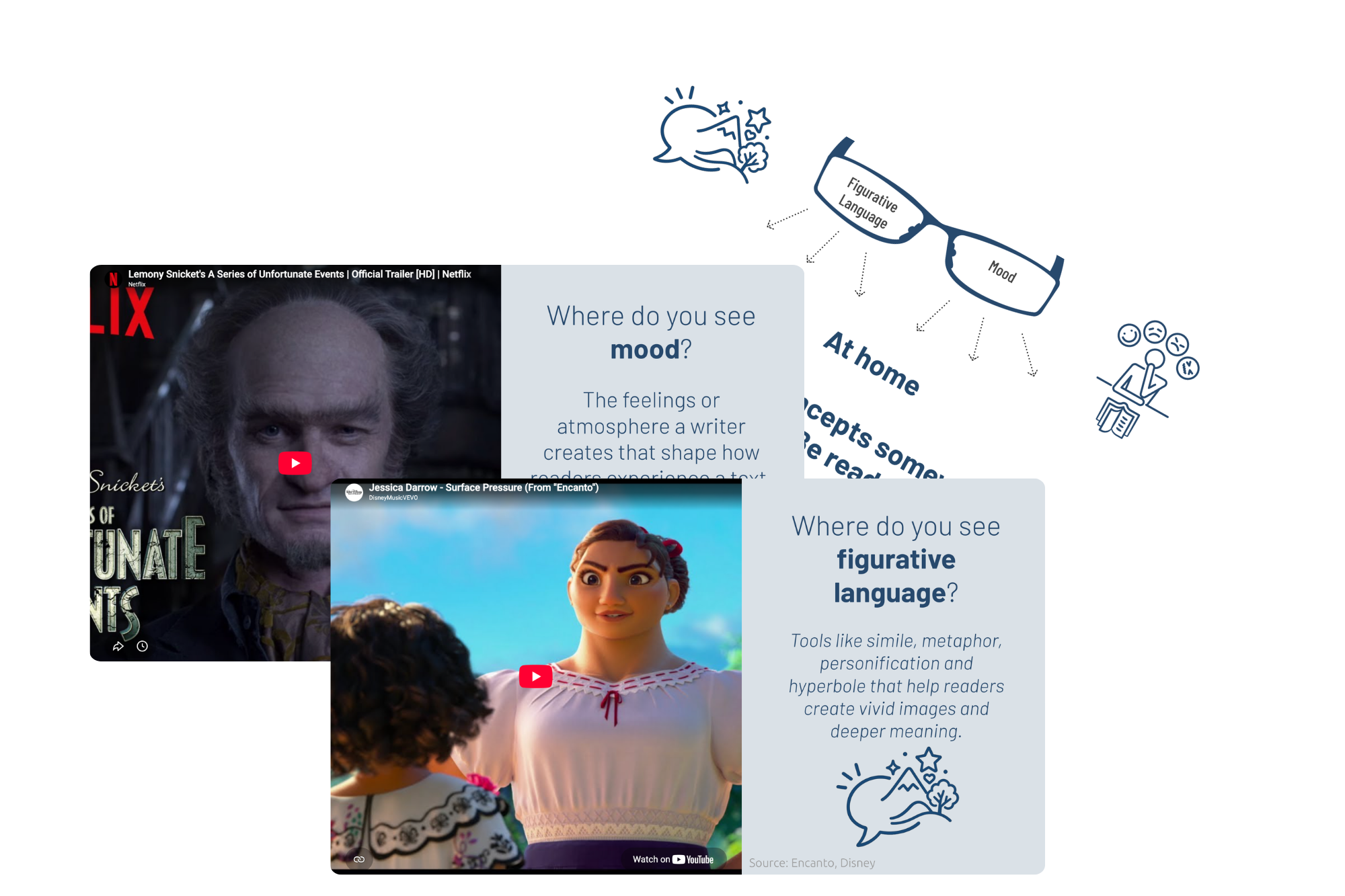
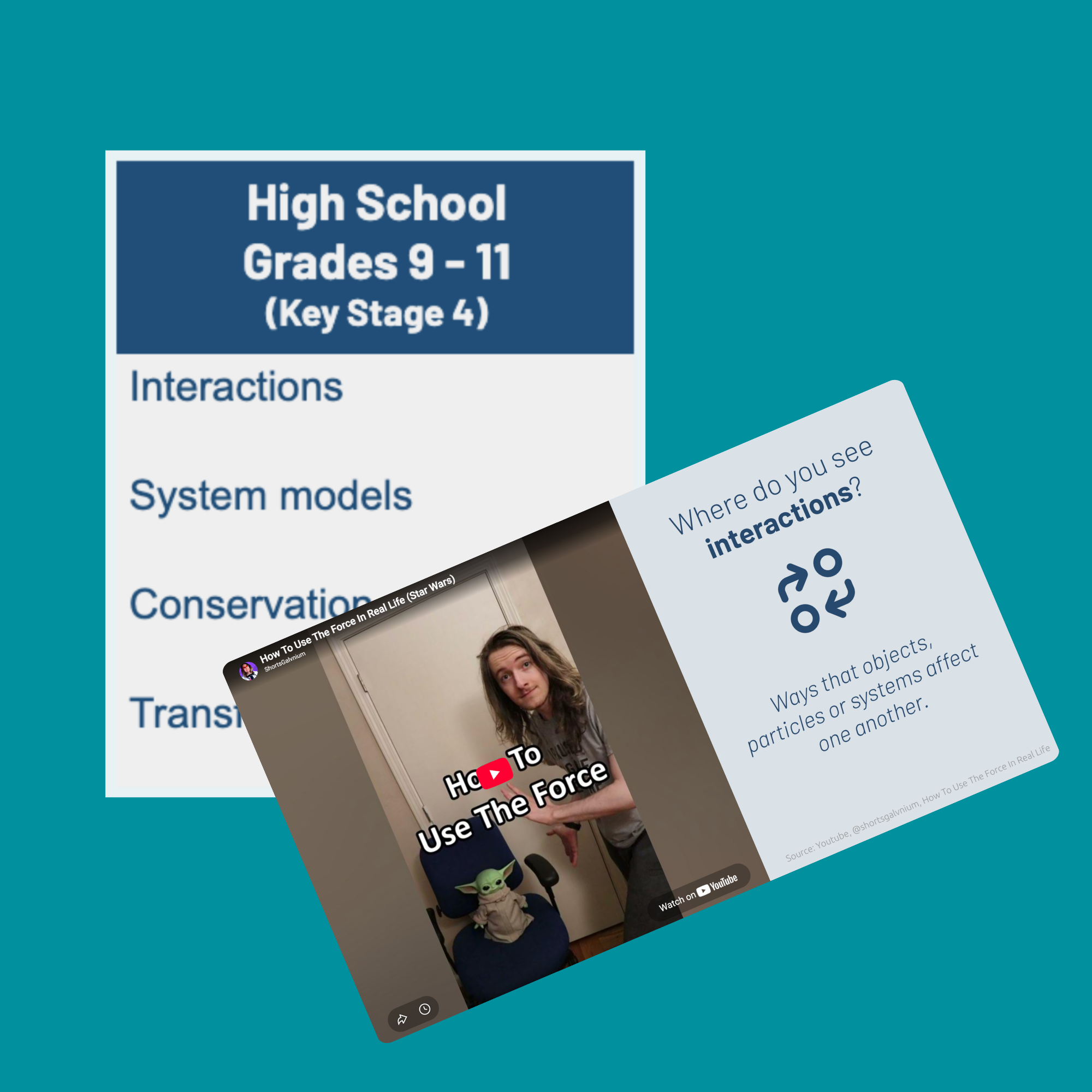
CONCEPT HUNT
Find the concept in the world.
Students recognize the idea in texts, images, experiences, environments, current events, and everyday situations.
-
![]()
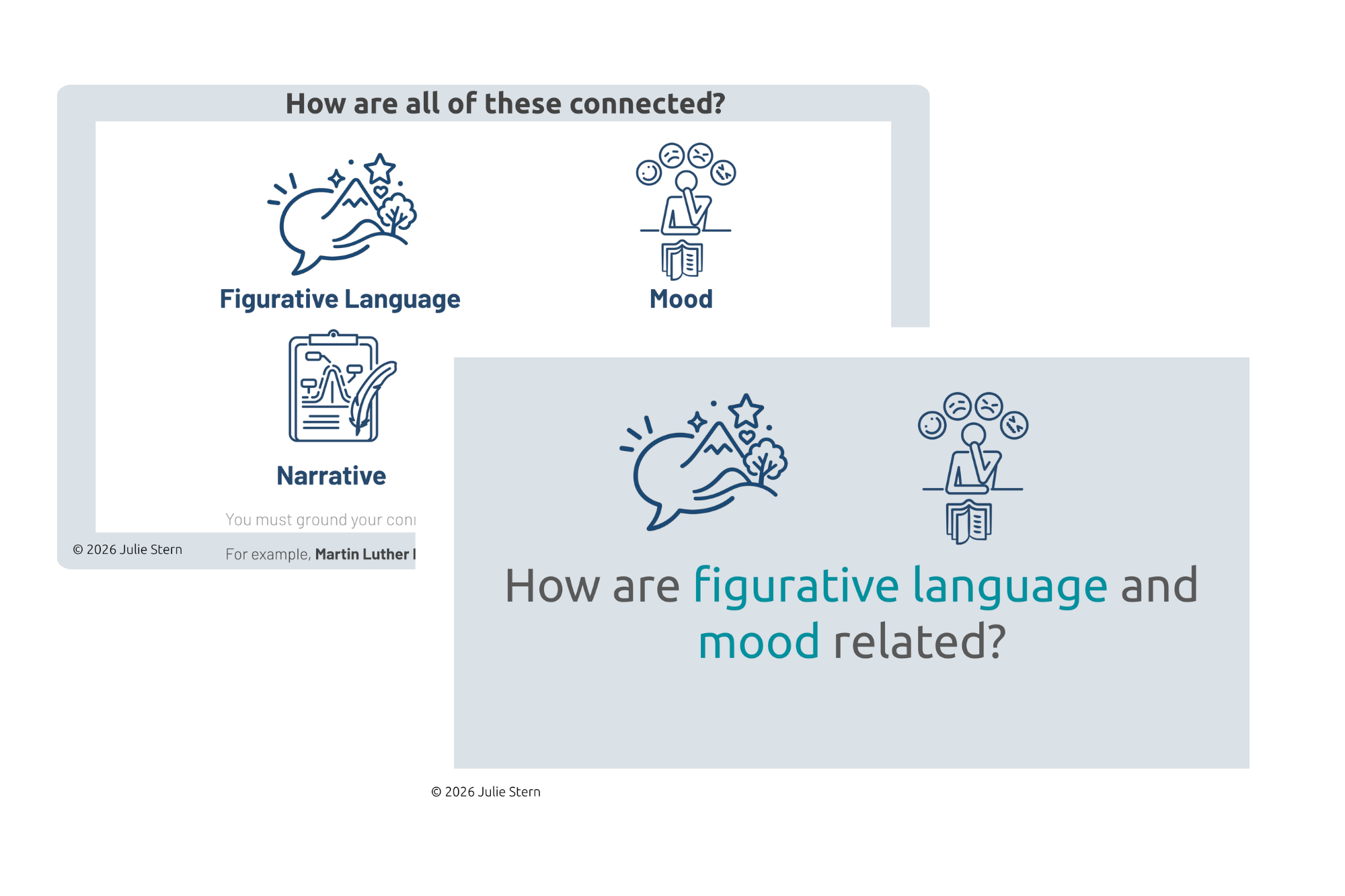
CONNECT
Build a stronger web of understanding.
Students explore relationships among concepts so knowledge becomes increasingly organized and connected.
-
![]()
TRANSFER
Use understanding somewhere new.
Students apply what they understand to unfamiliar situations, problems, contexts, and questions.
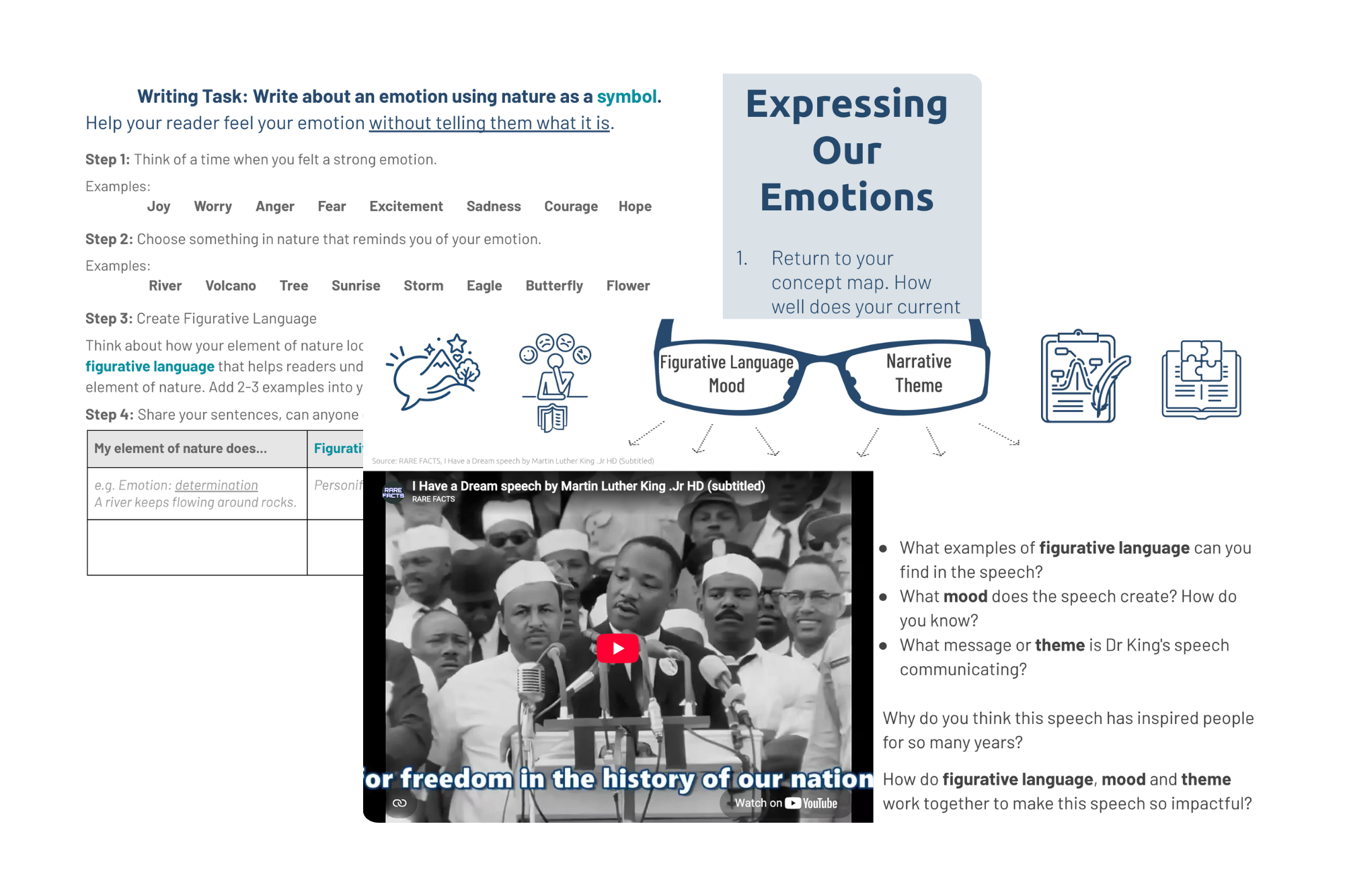
Acquire meaning. Connect ideas. Transfer learning.
UNIVERSAL DESIGN FOR LEARNING
Students vary in what engages them, what helps an abstract idea make sense, and how they best develop and communicate understanding.
The Essential Concepts resources give teachers multiple ways to invite students into the same rigorous conceptual learning.
Multiple pathways into deep thinking.
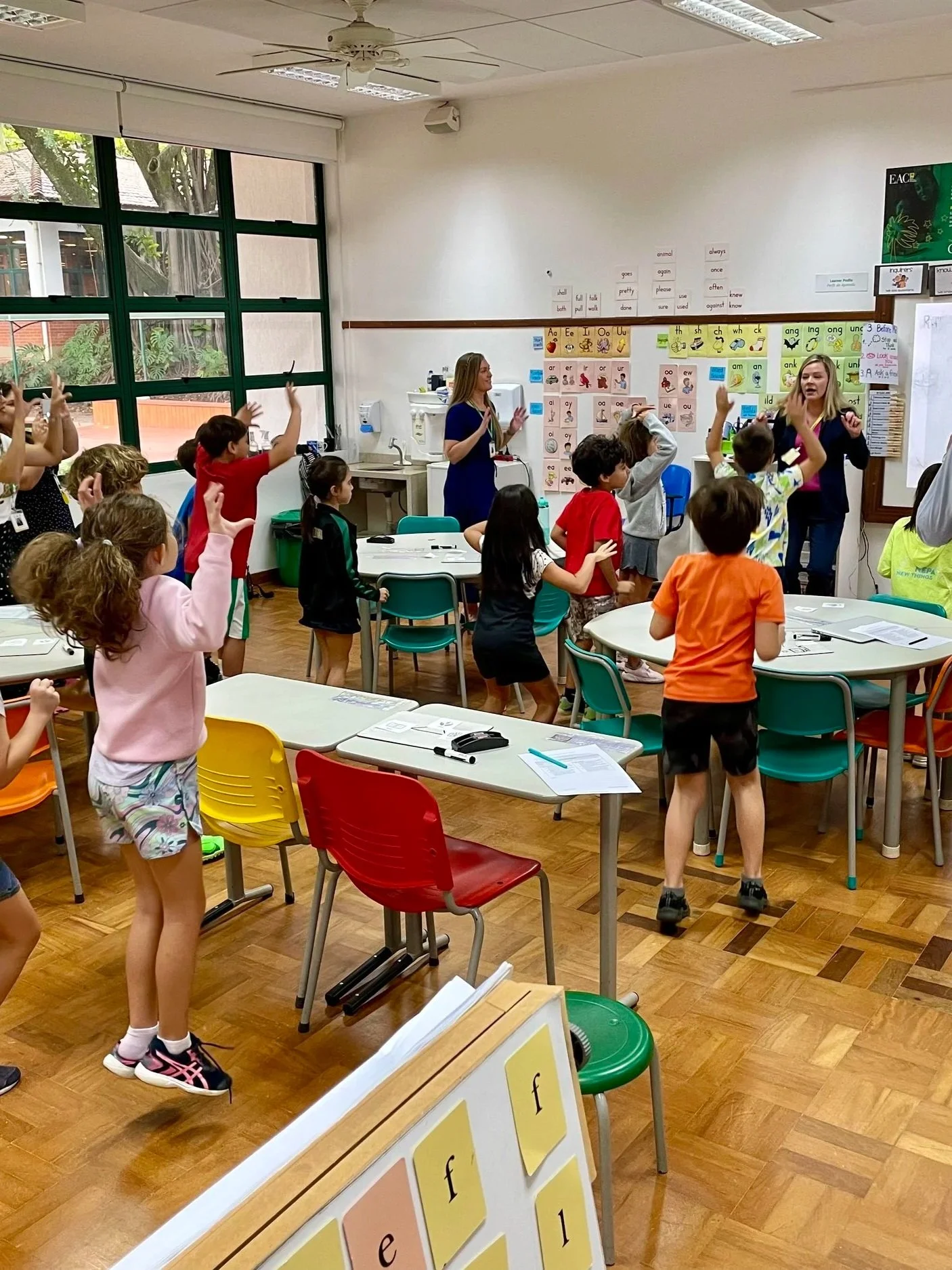

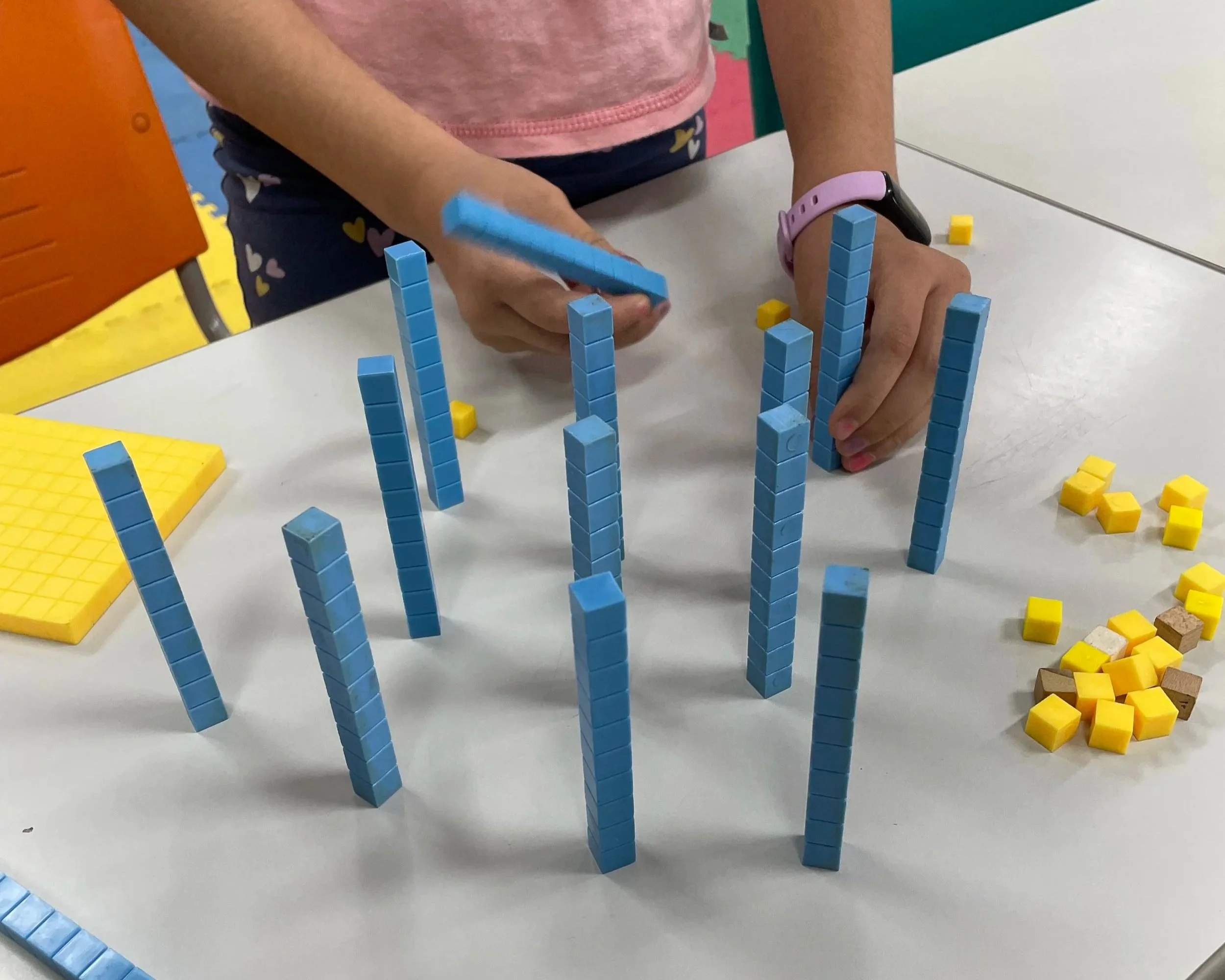
Make learning relevant and worth thinking about.
Make abstract ideas easier to see and understand.
Give students different ways to think, explore, and demonstrate understanding.
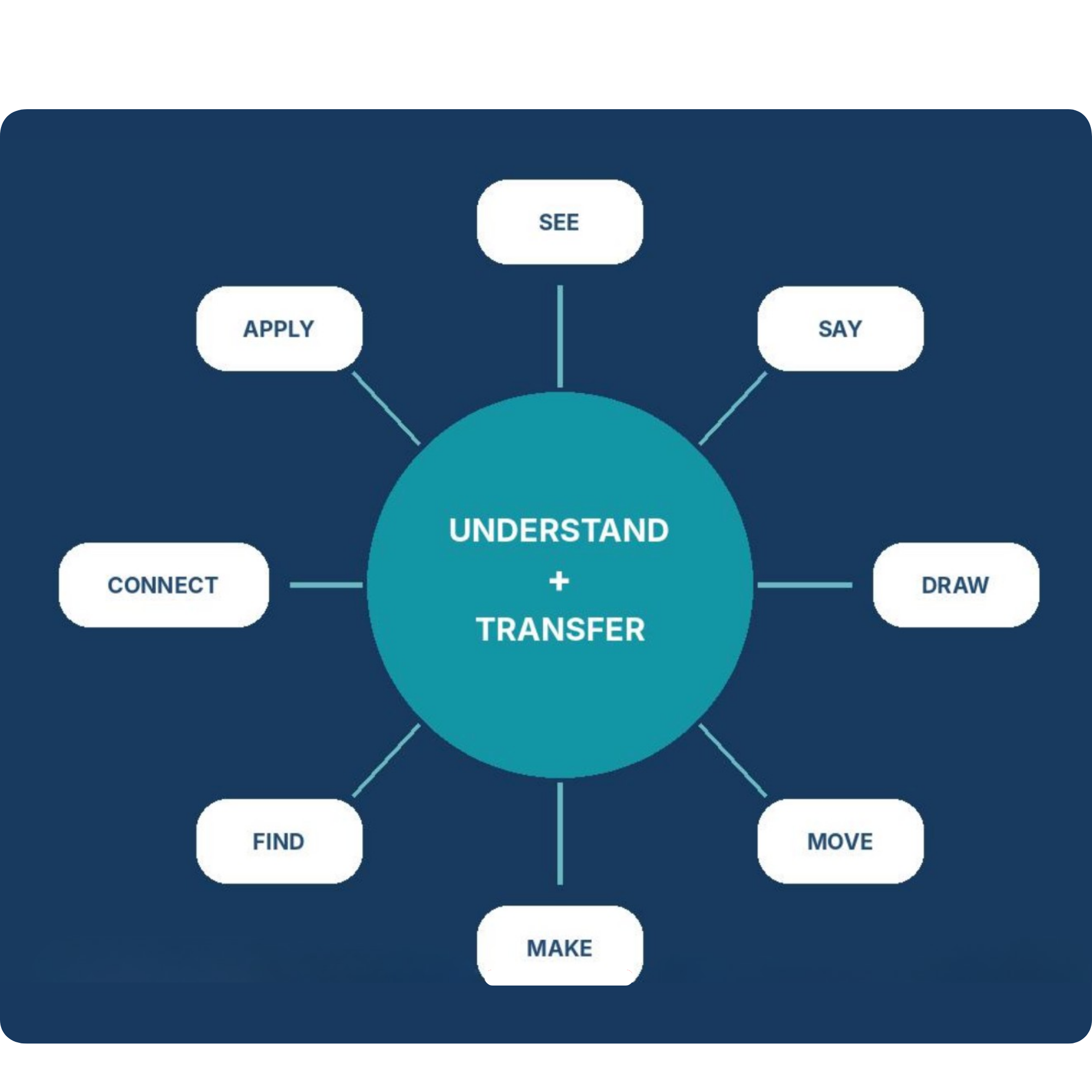
One rigorous goal. Multiple pathways.
Students keep returing to the core ideas through different forms of access, engagement, and expression.
-
![]()
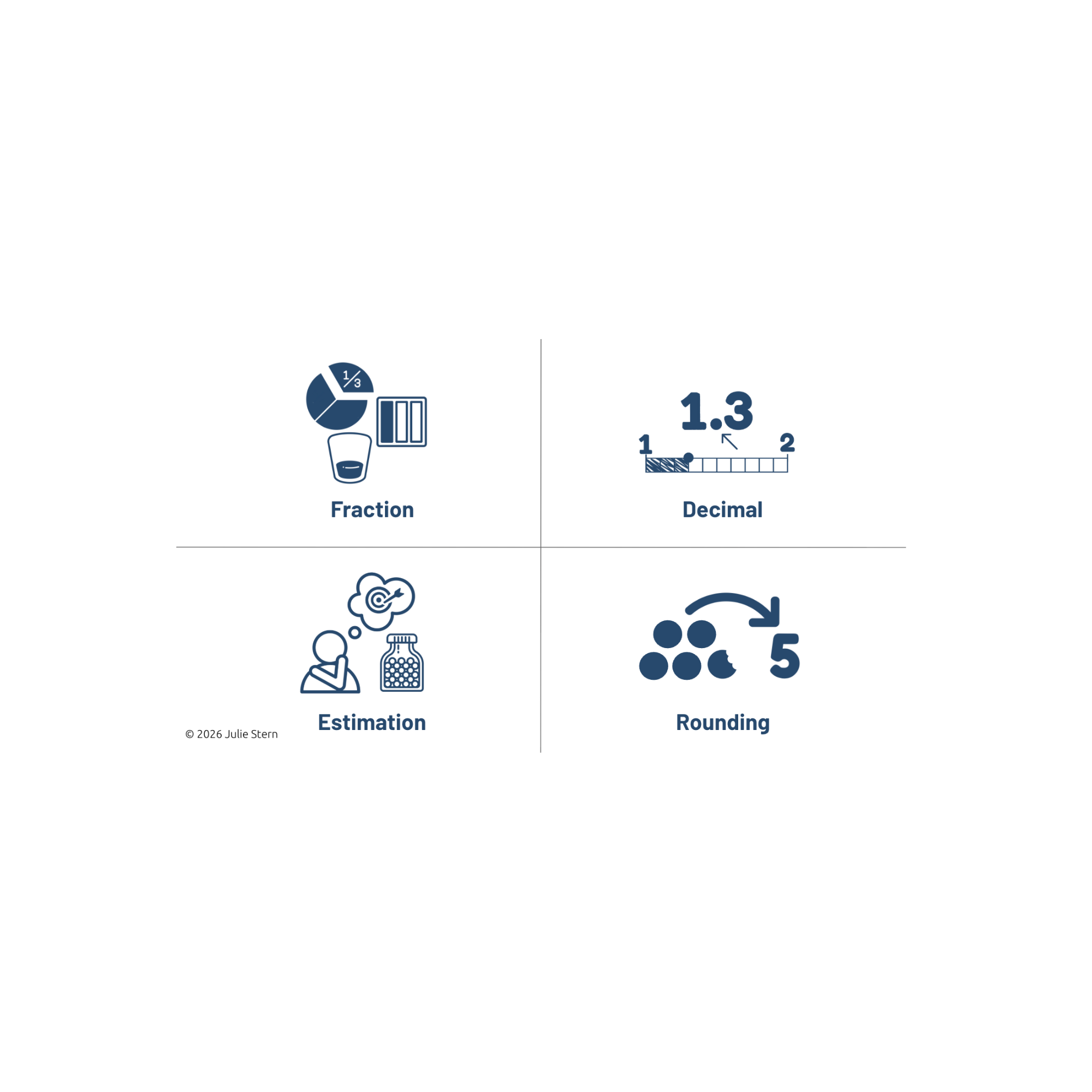
Give concepts a visual anchor.
Consistent icons and images help students recognize, revisit and connect abstract terms.
-
![]()
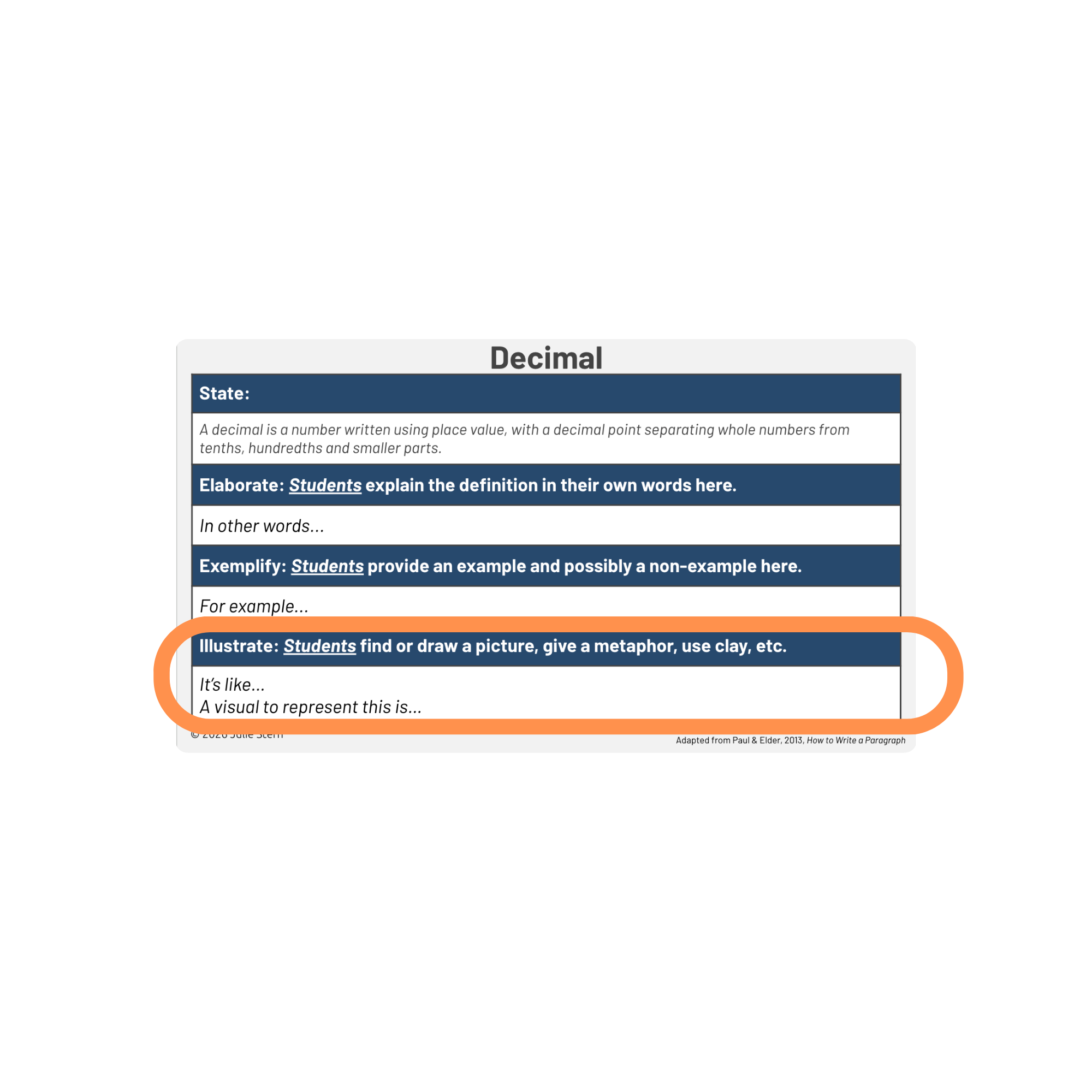
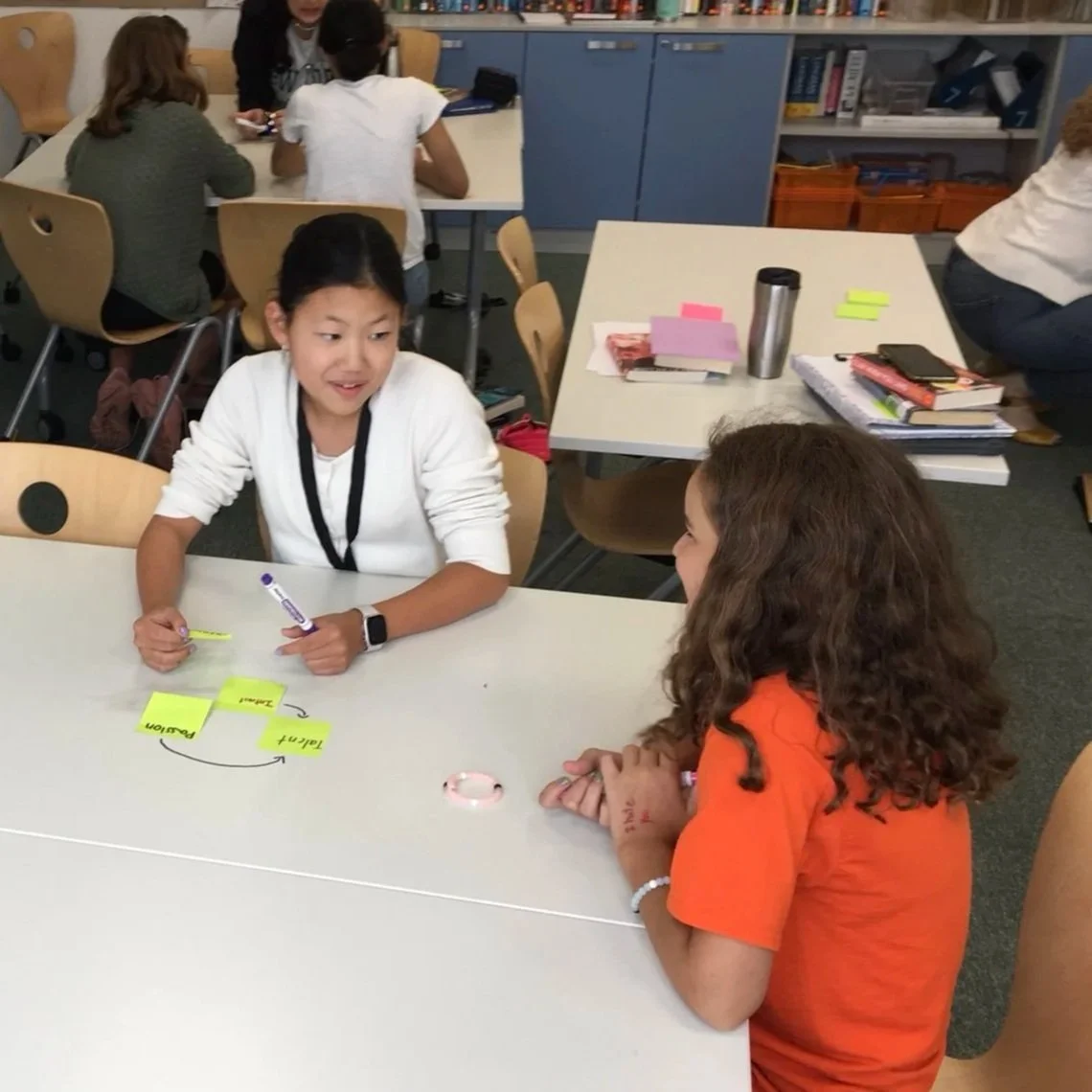
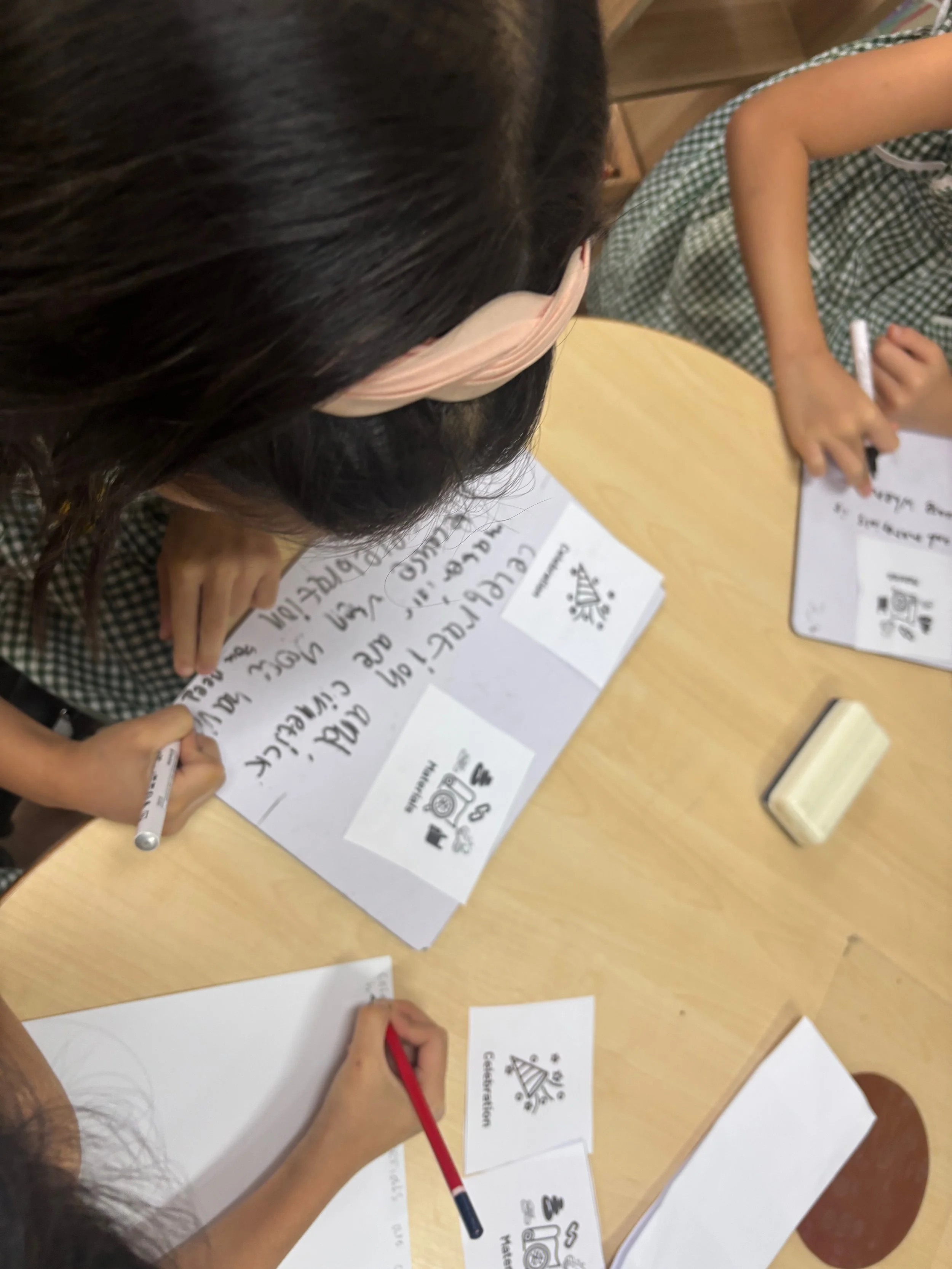
Let students make meaning in more than one way.
Same concept. Different ways to build and express meaning.
-
![]()
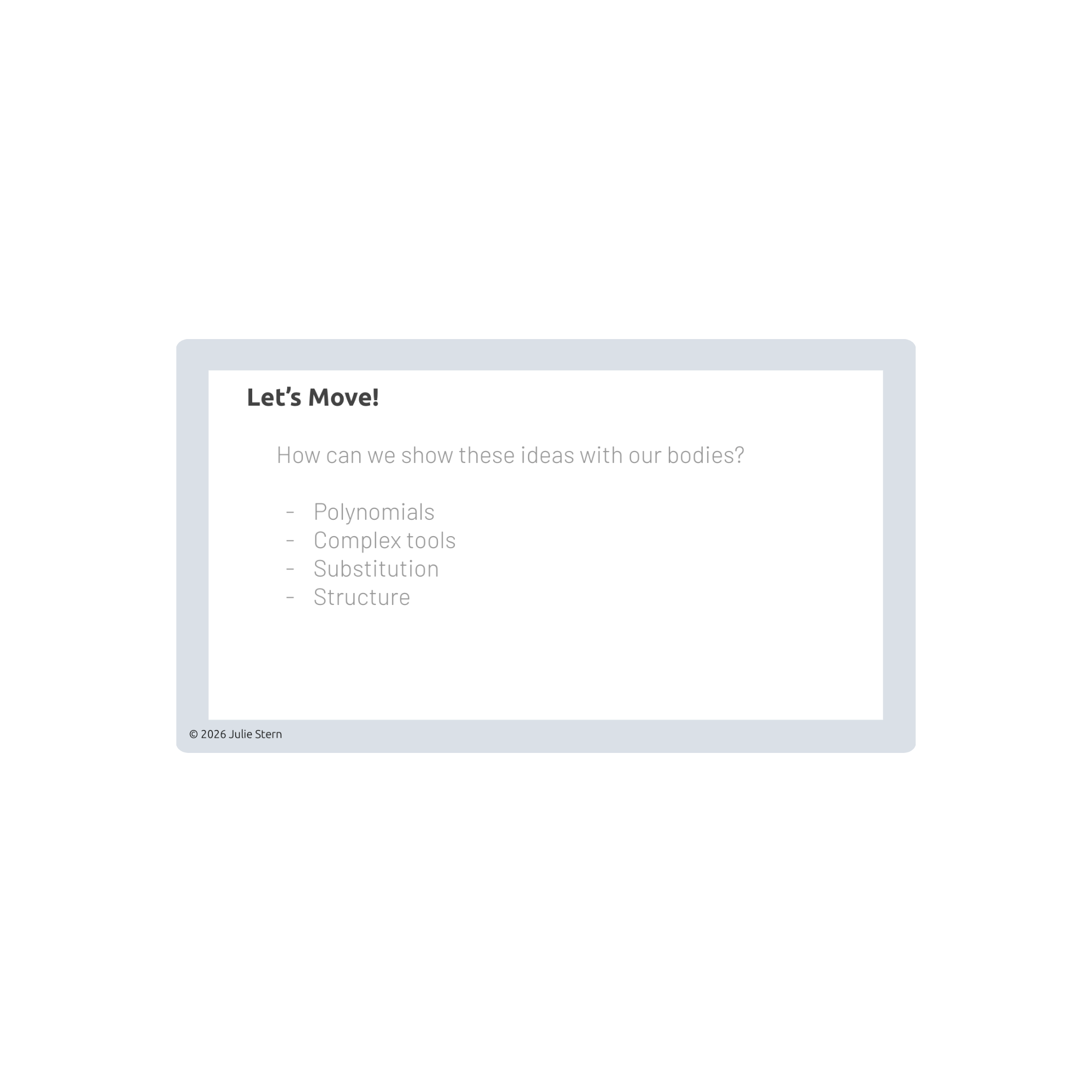
Put concepts in motion.
Movement gives students another route to meaning making.
-
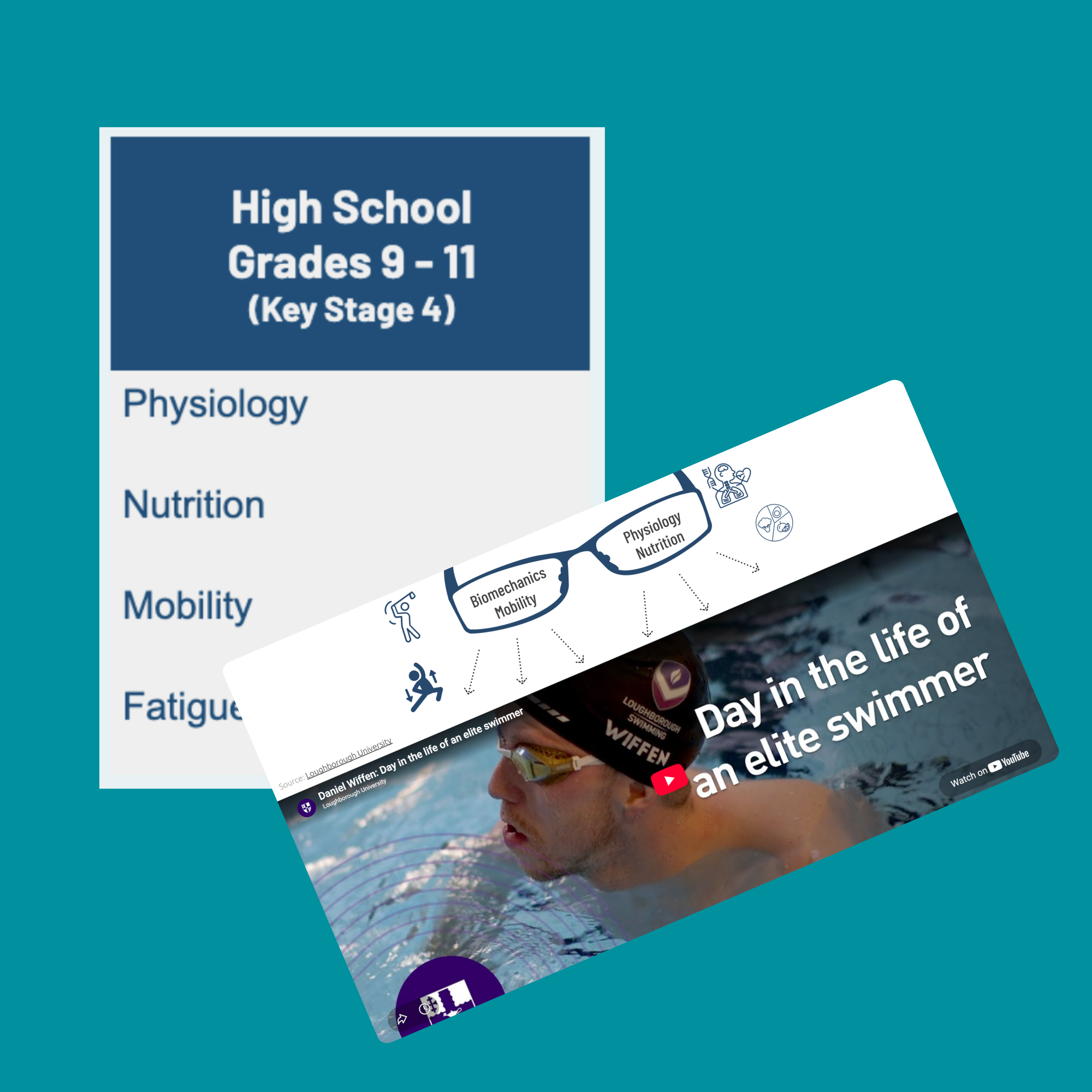
![]()
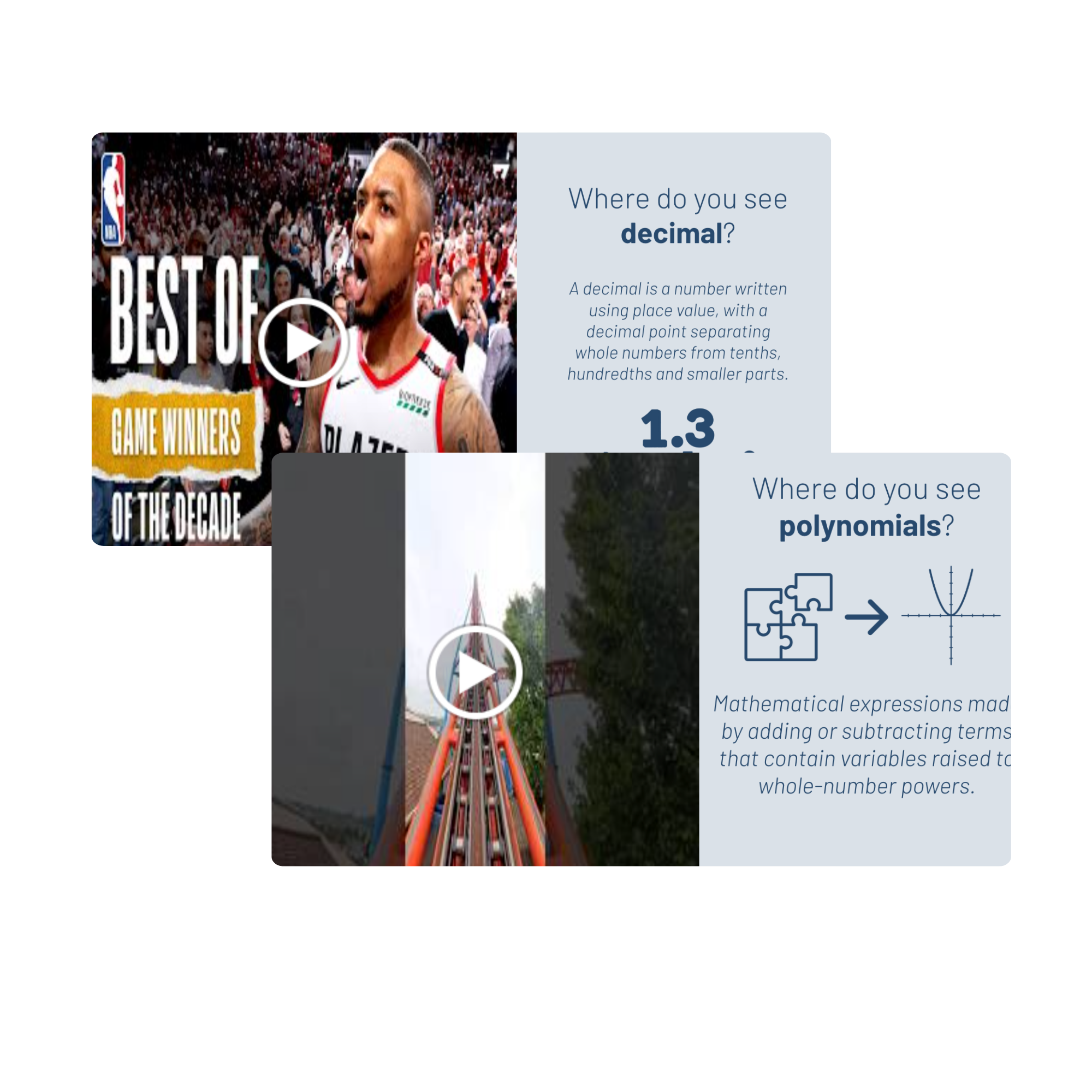
Connect learning to their lived experiences.
Games, sports, films, etc. create relevant entry points into academic concepts.
-
![]()
Teach students to see concepts everywhere.
Concept hunts move the idea beyond the school walls. Where do you see it? Students find and explain their thinking.
-
![]()
Build transfer into the learning sequence for instant relevance.

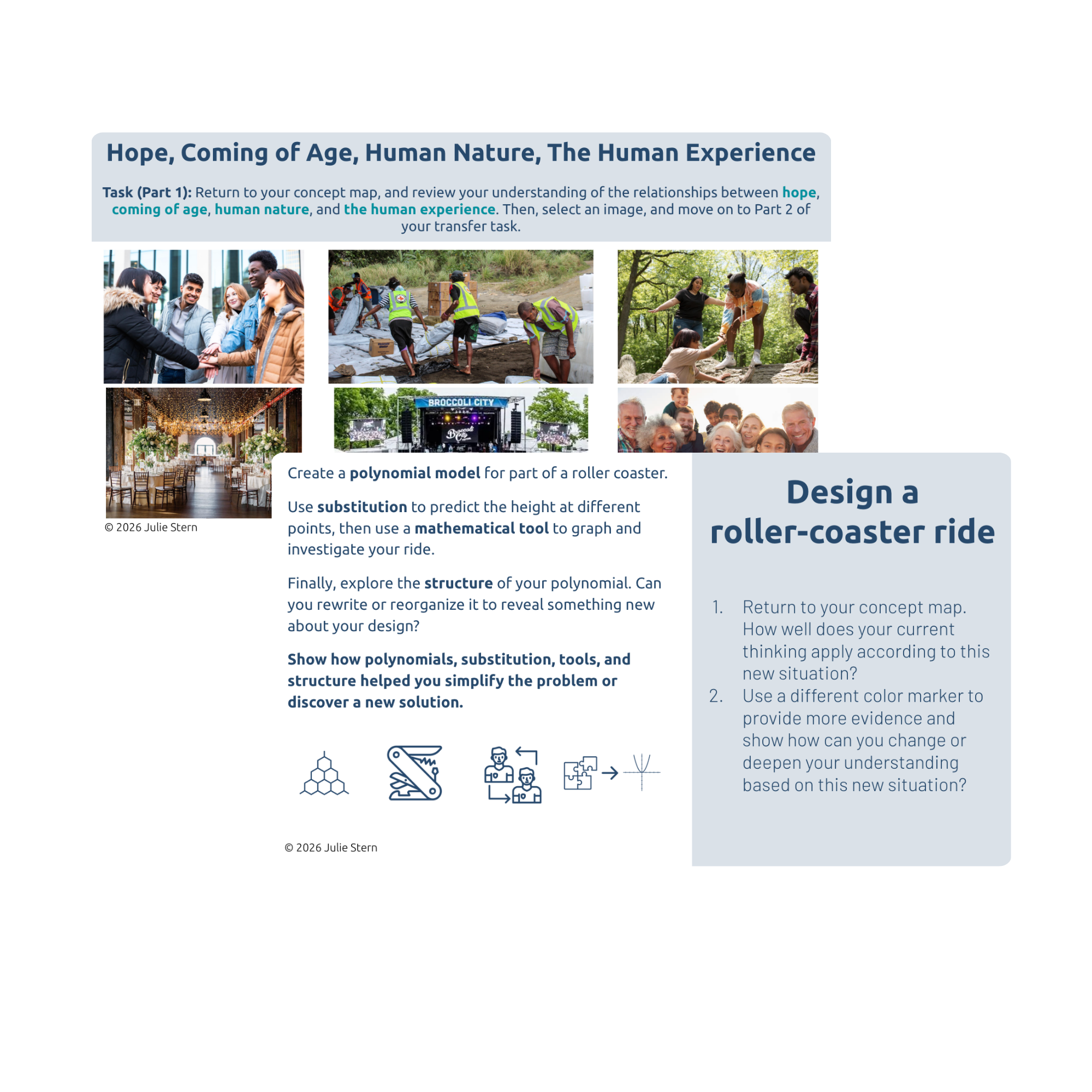
The goal is not to make the thinking easier.
It is to create more pathways into deep thinking.
MULTI-TIERED SYSTEMS OF SUPPORT
Stronger Tier 1: More targeted support when students need more.
Strong core instruction gives more students access to the ideas that matter most.
The Essential Concepts Framework helps teachers focus on those foundational ideas and provides multiple ways to help students understand, connect, and retain them.
The same resources can also help teachers revisit important concepts when students need additional support.
TIER 1: Strengthen core instruction for everyone.
Essential concepts can help teachers:
Focus attention on important disciplinary ideas.
Make abstract concepts accessible through multiple representations.
Build connections that help learning stick.
Increase relevance and intellectual engagement.
Differentiate pathways without lowering expectations.
Help students see the bigger picture of what they are learning.
Organize knowledge around ideas students will use repeatedly.
TIER 2 SUPPORT: Target what students have not yet understood.
The Essential Concepts Framework was developed through a synthesis of curriculum standards, learning outcomes, and disciplinary guidance from around the world.
Sources include curricula from British Columbia, the United Kingdom, Australia, the United States, and leading professional organizations across disciplines.
The result is not another curriculum schools need to adopt.
It is a structure that helps teachers see the enduring ideas already running through the curriculum they teach.
Built by looking beyond a single curriculum.

Use it with the curriculum you already have.
One coherent framework across a school.
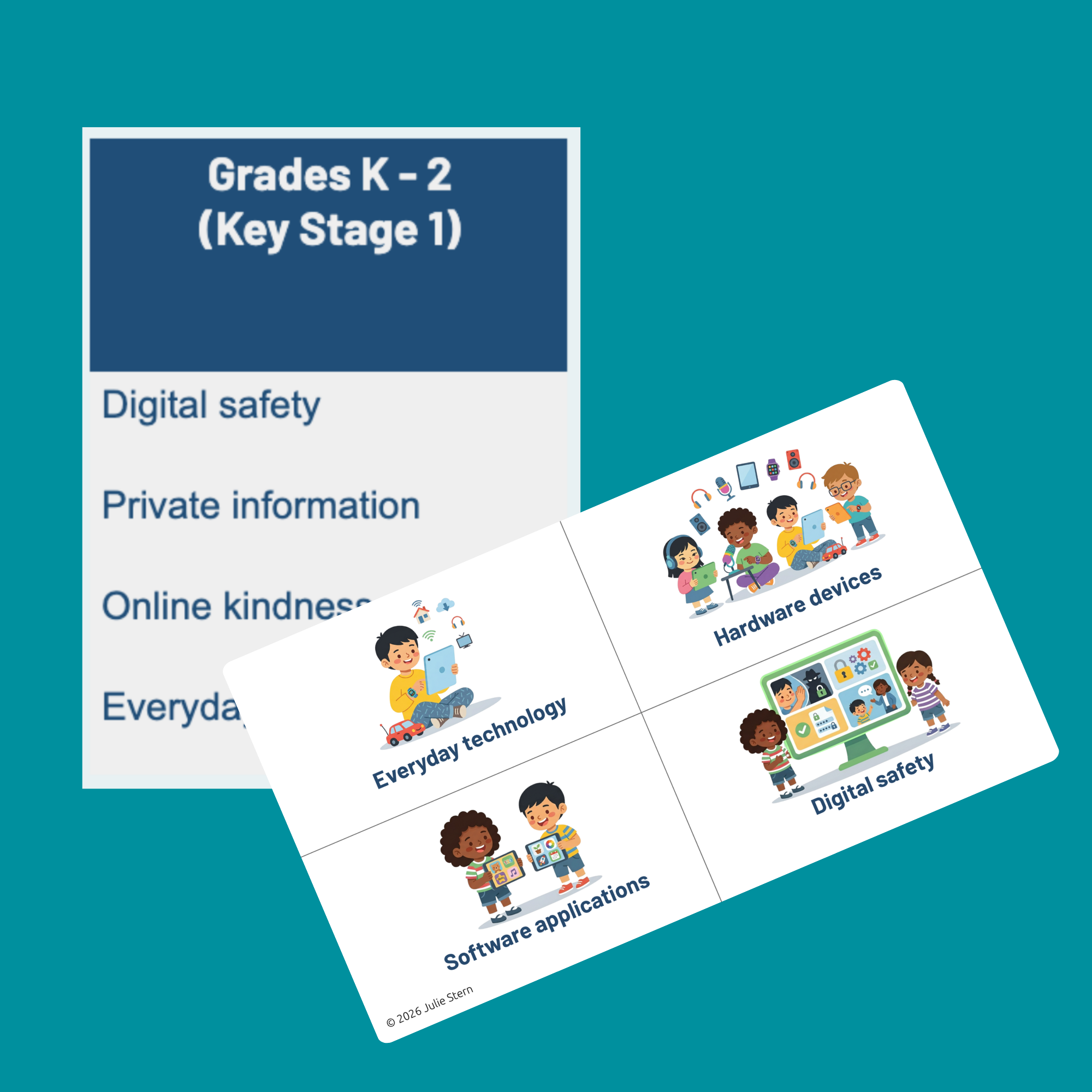
From early childhood through secondary. Across disciplines.

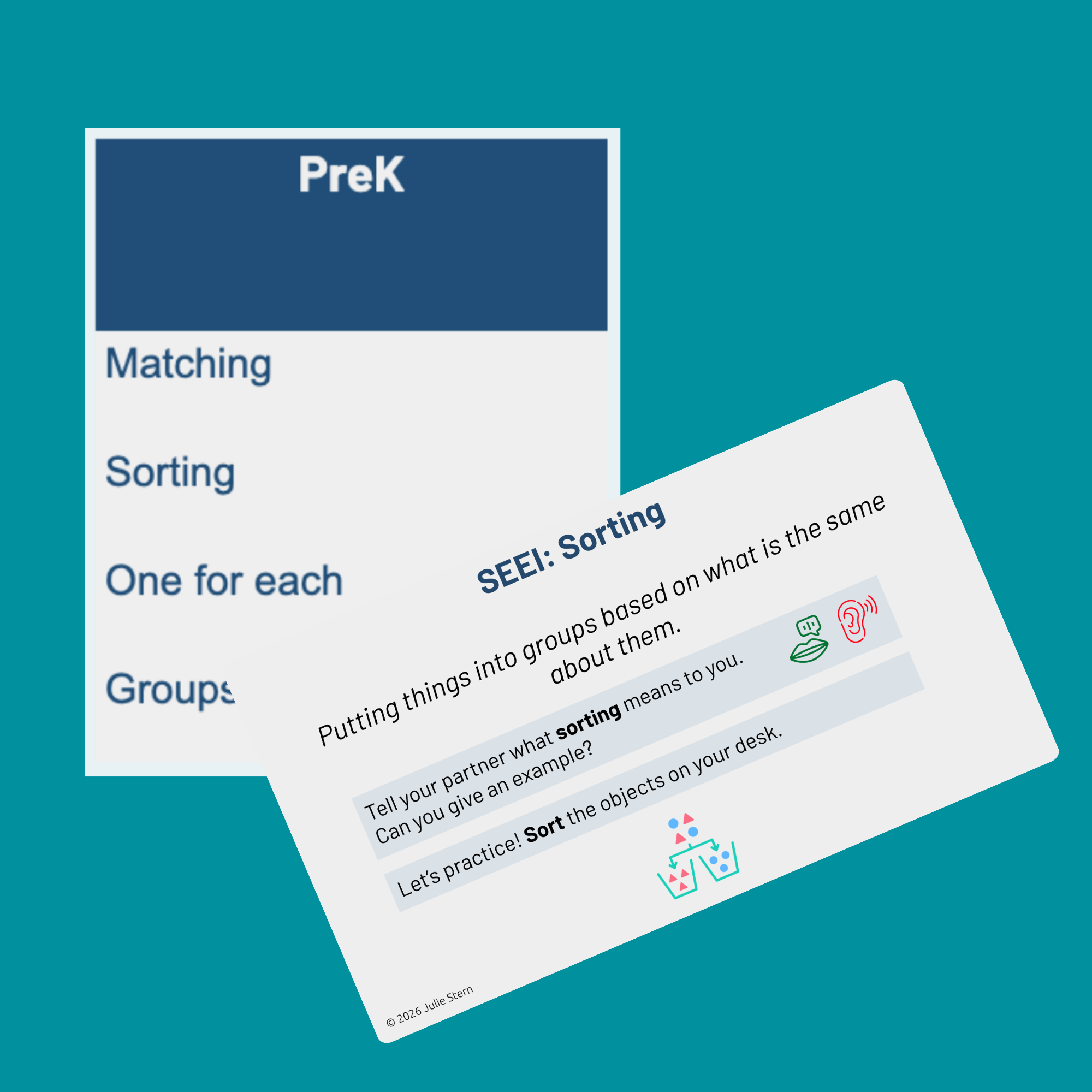

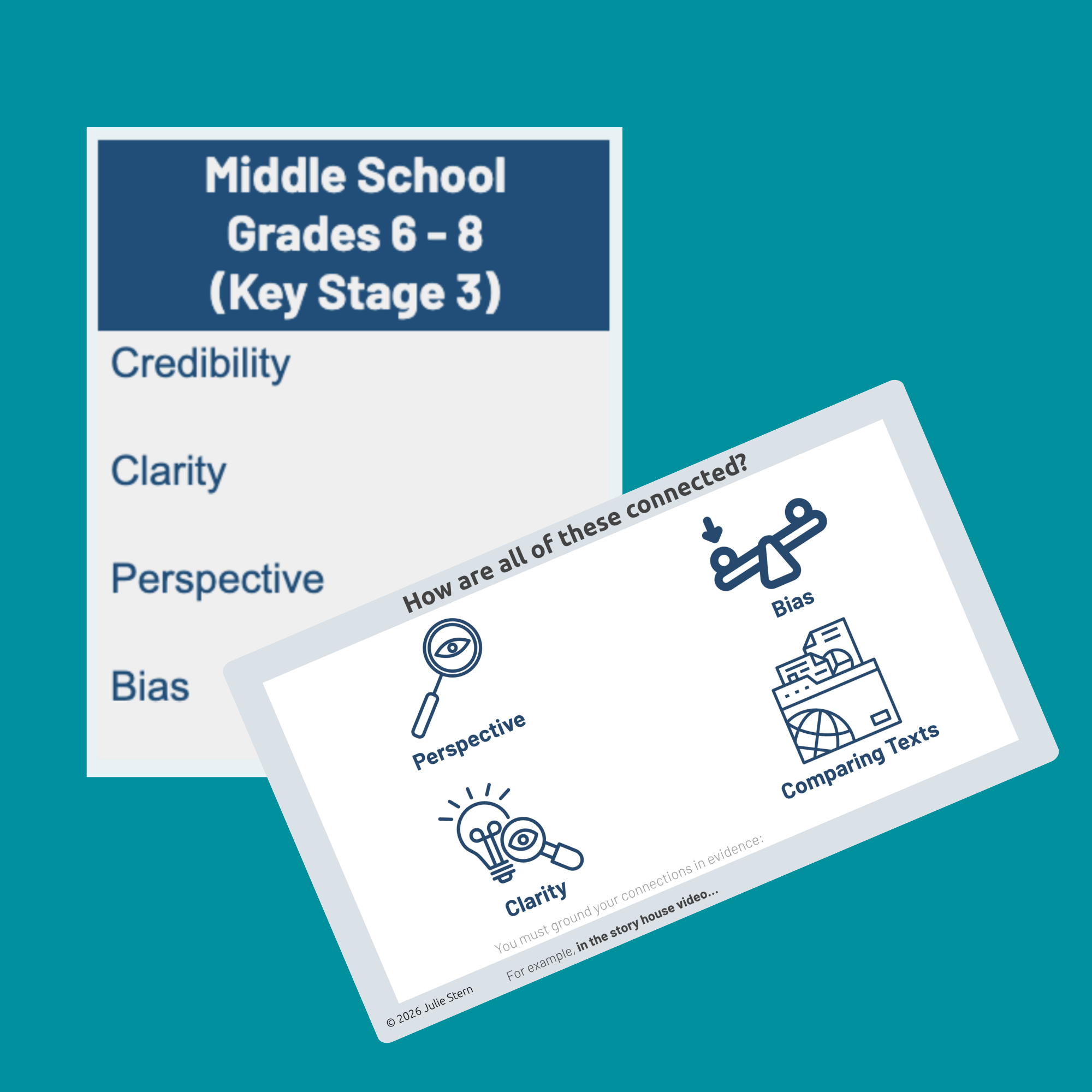
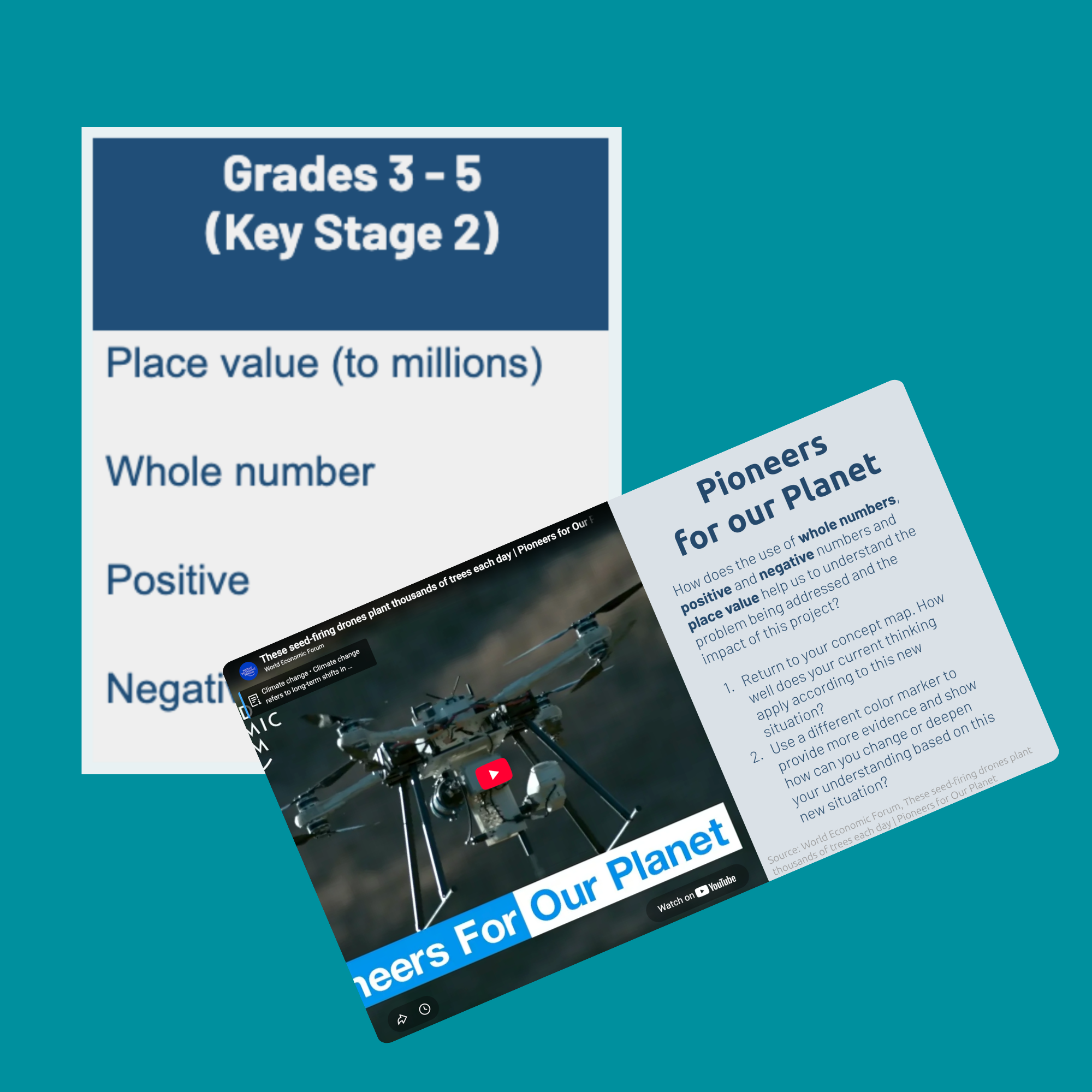

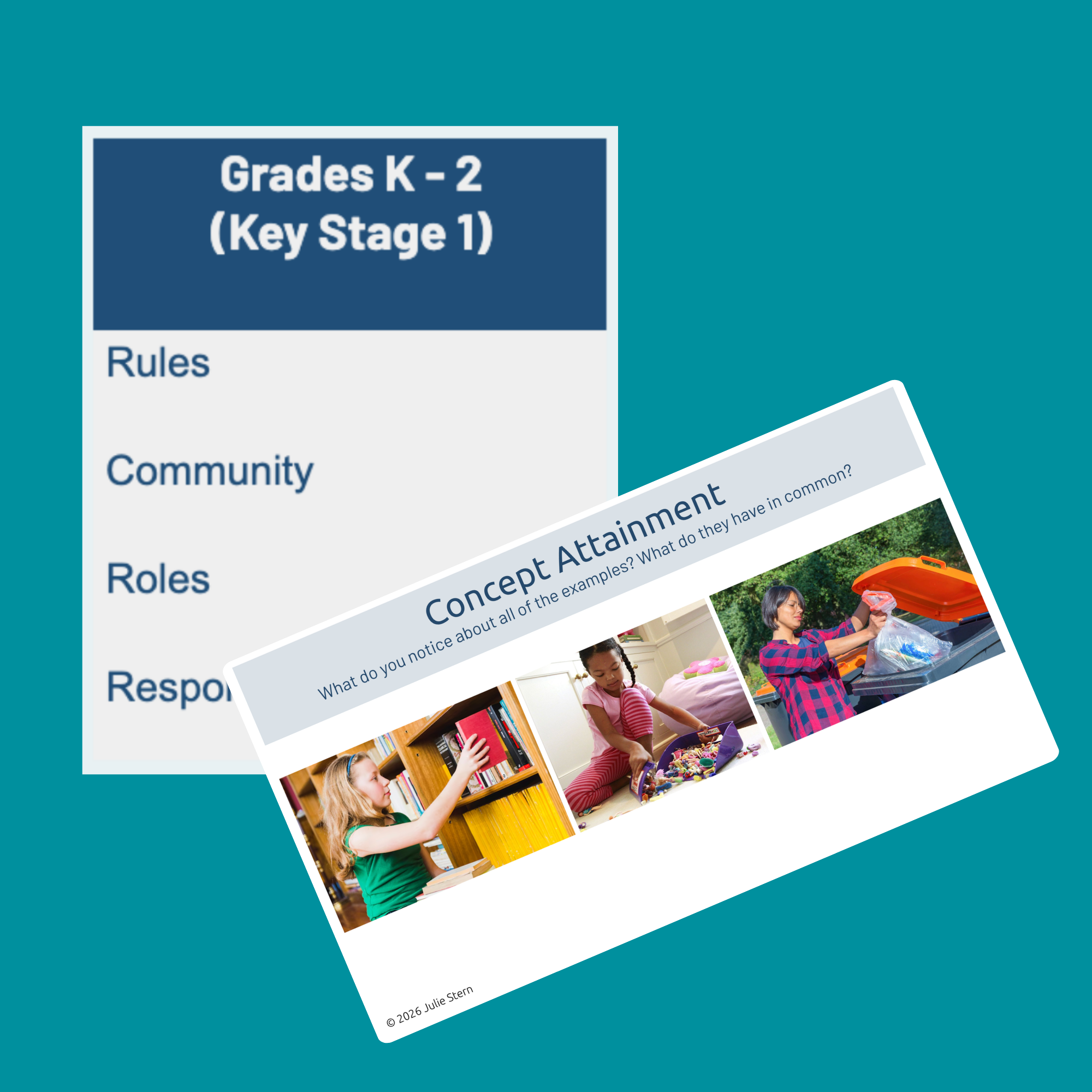


Designed for real classrooms.
Ready to use. Flexible enough to make your own.
Teachers can use an entire sequence or select the resources that best fit their students, curriculum, and instructional goals.

INTRODUCE
A teacher begins with a concept icon, example, image, or provocation.

INVESTIGATE
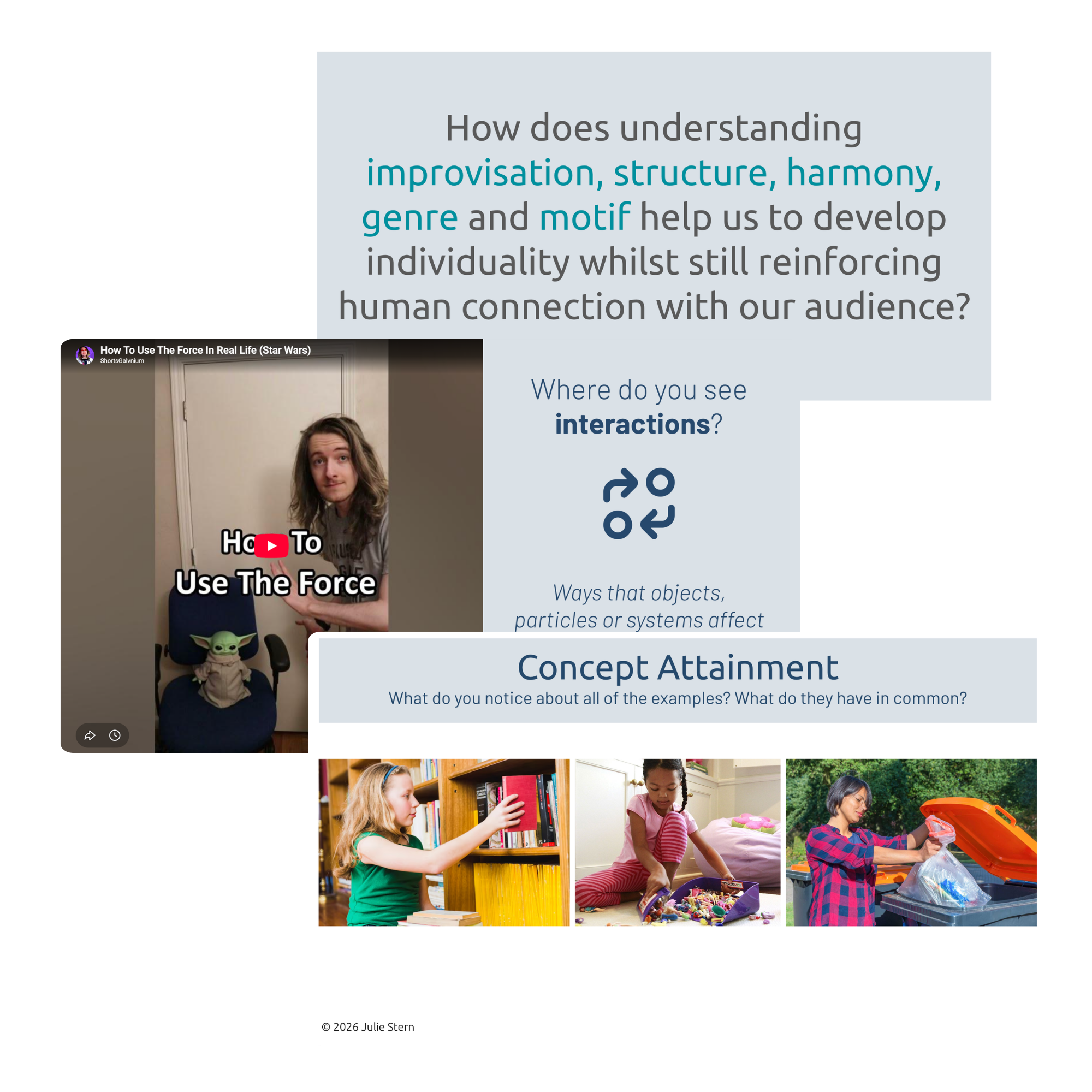
Students examine examples, notice patterns, and explore an Inquiry Question.

CONNECT
Students explore relationships among important ideas.
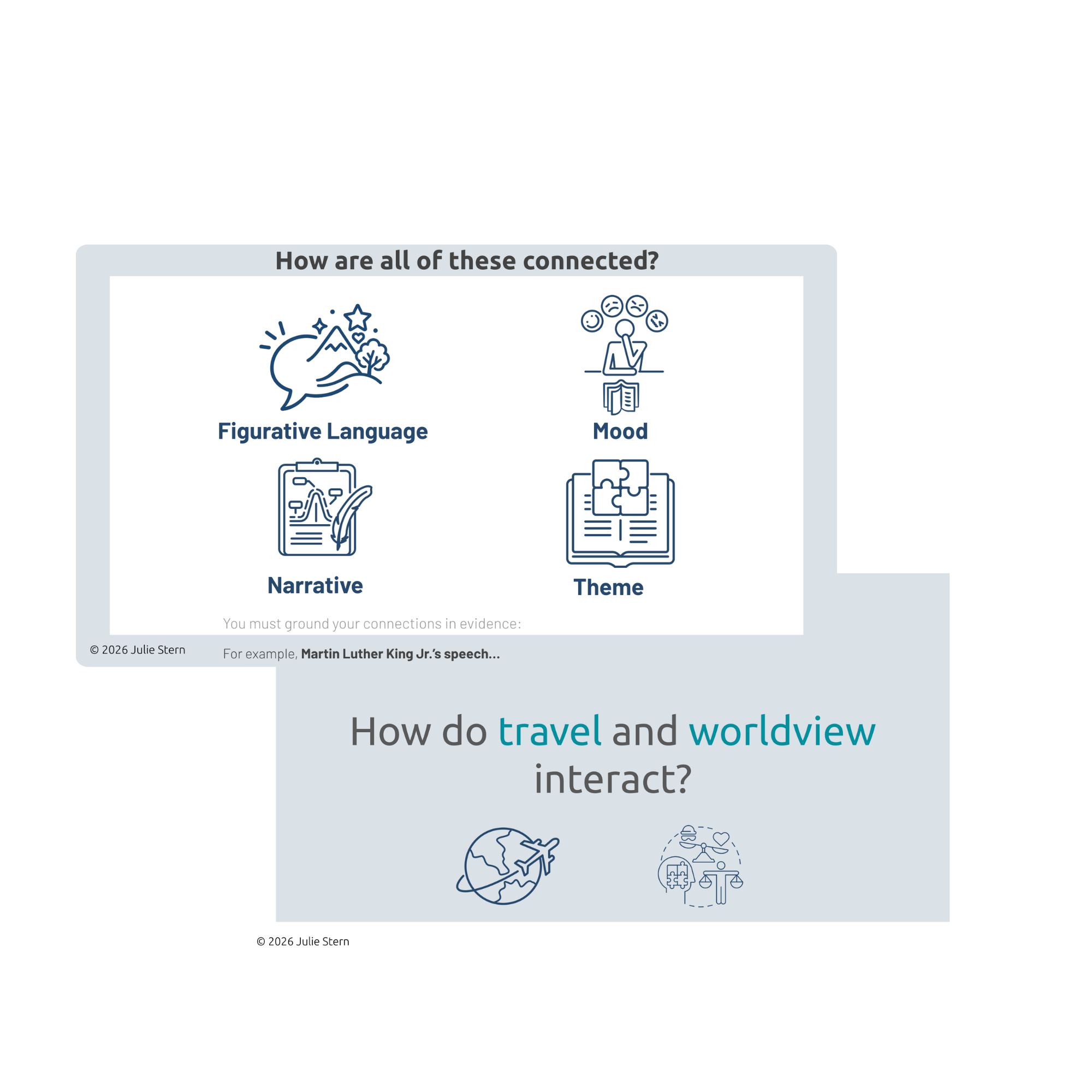

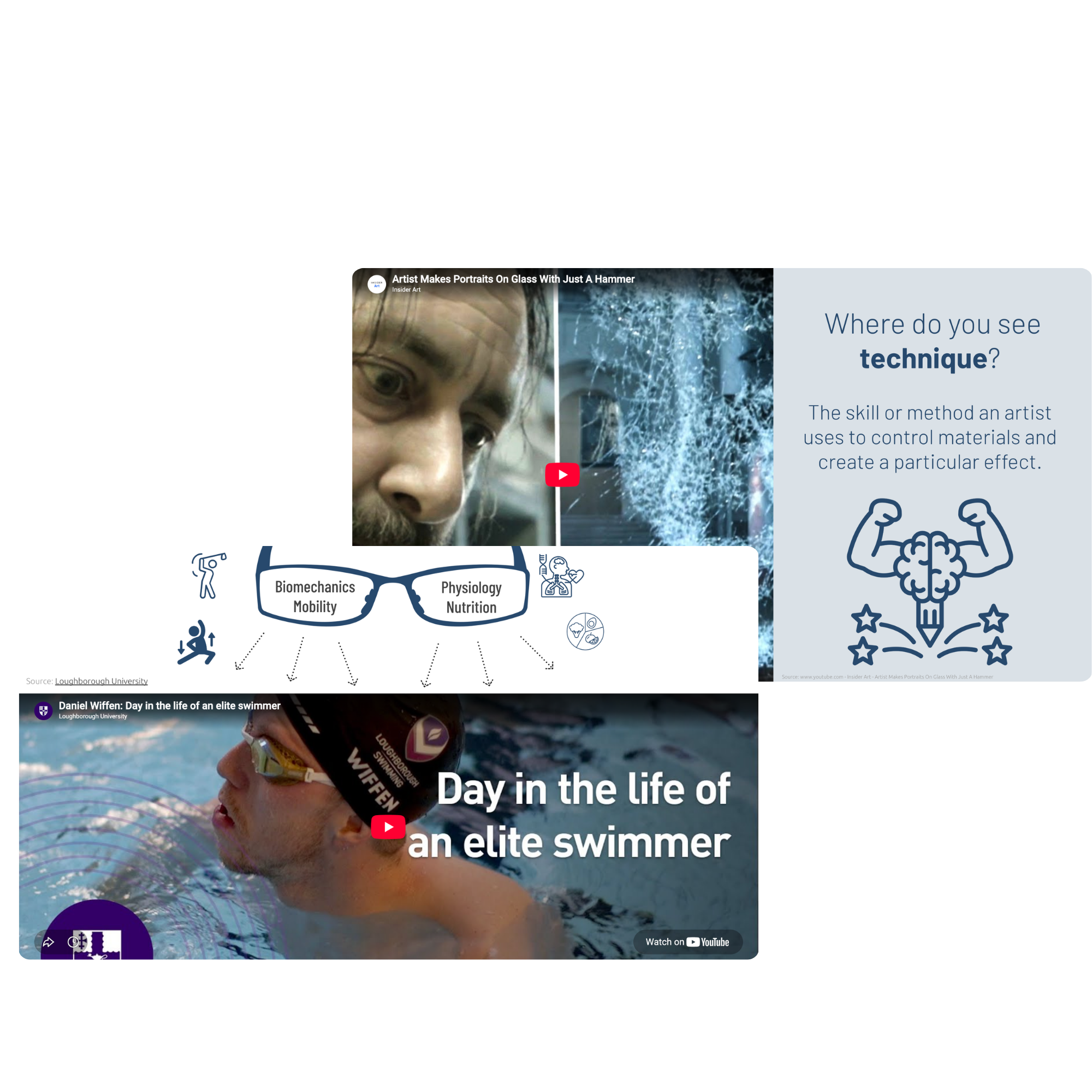
Students recognize the concept in texts, experiences, situations, and the world around them.
FIND

APPLY
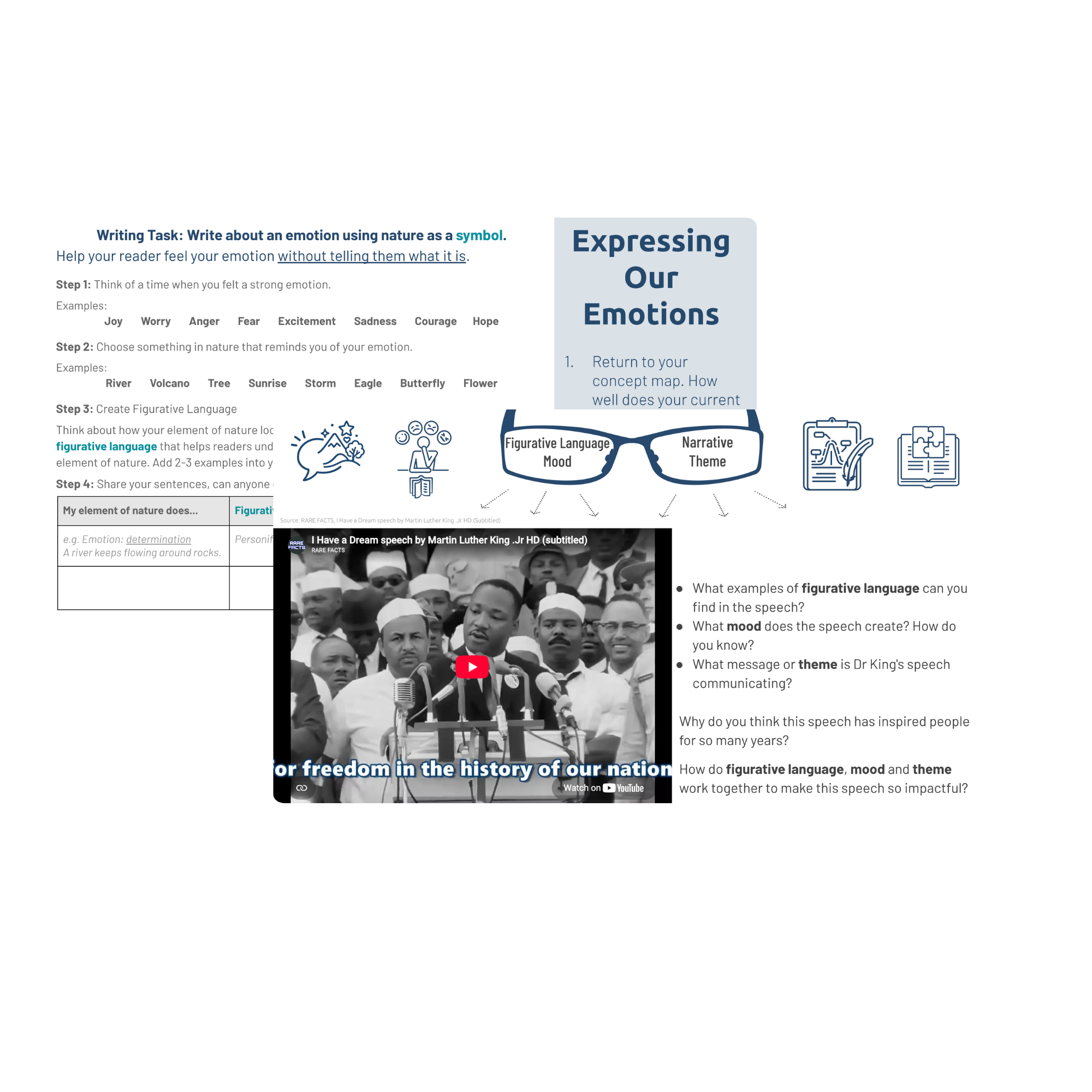
Students use their understanding in a different context.
Less time creating materials. More time thinking about students and learning.
Give teachers more than another idea.
Give them something they can use.
What are educators saying?
"The way you’ve approached compositional techniques for Upper Secondary students is quite exciting!"
— Jon Neves, Head of Music"These are high quality, well-thought out images and short videos to prompt thinking using the ACT model."
— Fran Talvera, Assistant Head Primary"This provides a different and more creative approach to connecting the concepts behind some of the theoretical topics I have to cover."
— Clint Martin, Head of DesignSave time
Start with carefully designed resources instead of a blank page.
Increase coherence
Help teachers across grades and disciplines build toward shared goals for deeper learning.
Support differentiation
Offer multiple entry points into the same important conceptual learning.
Deepen learning
Move beyond coverage toward understanding, connection, inquiry, and transfer.
What do we want students to carry with them?
Not every worksheet.
Not every page.
Not every isolated fact.

Powerful ways of understanding the world.
Essential concepts give students ideas they can recognize, connect, refine, and use long after a unit ends.
SEE THE WORK BEHIND THE FRAMEWORK
Built around one enduring question:
How do we help students use what they learn?
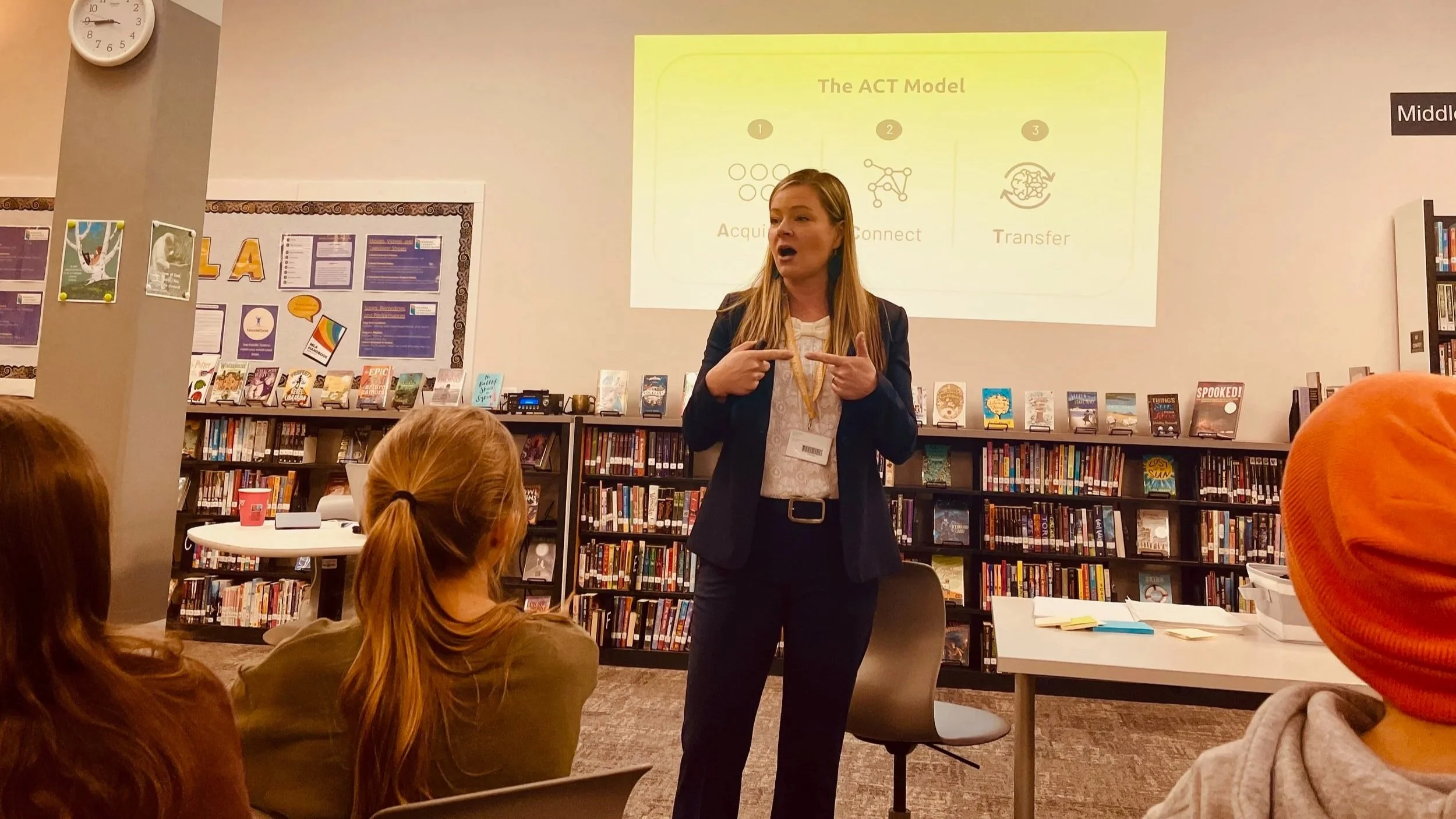
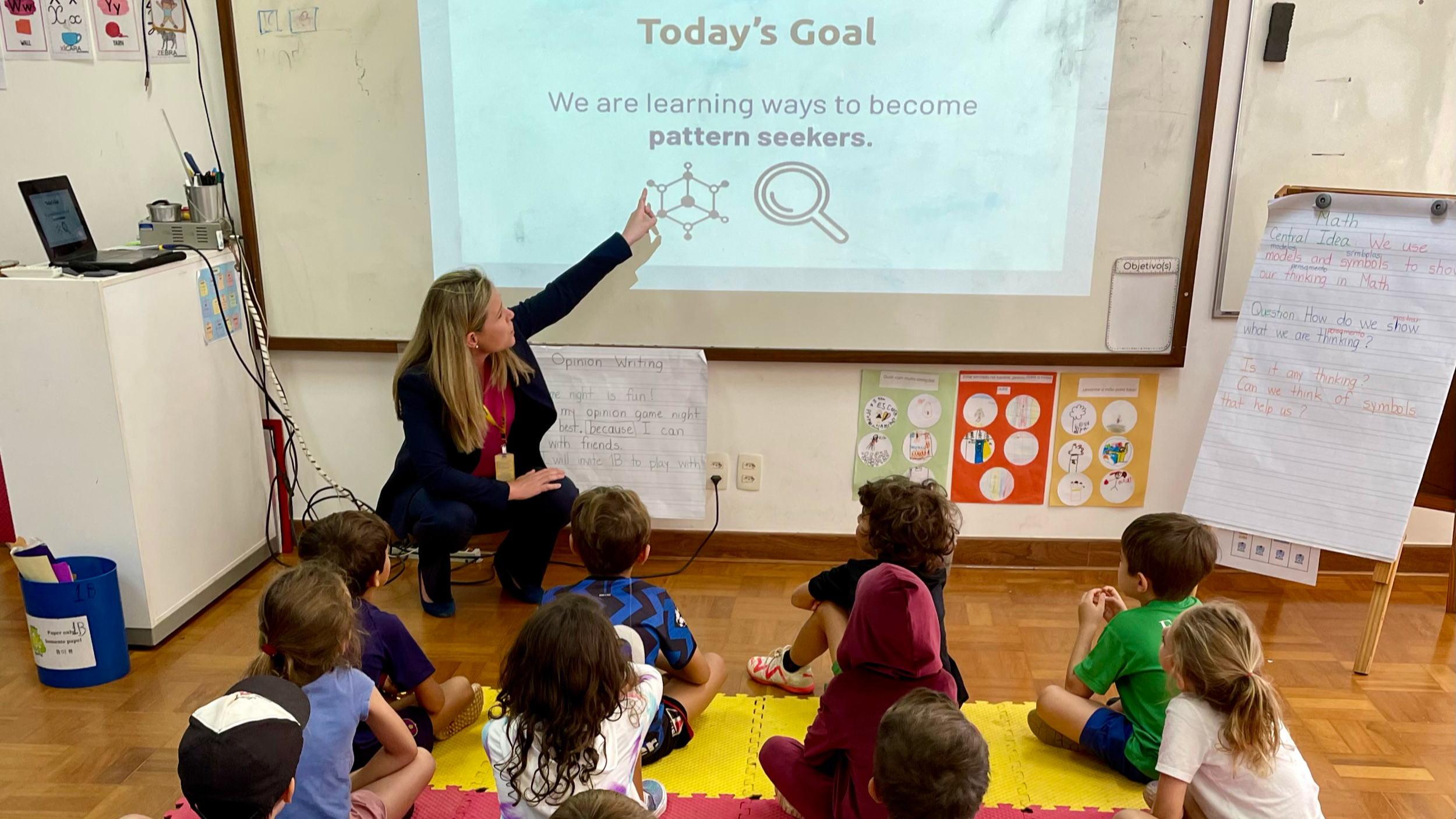
Julie Stern has spent her career helping educators move learning beyond short-term recall toward deep understanding and transfer.
A four-time bestselling author and global speaker, Julie is the author of Learning That Transfers and multiple books on conceptual understanding and transfer.
John Hattie has named Julie his “go-to person” on transfer of learning.
The Essential Concepts Framework brings together decades of work with educators, research on learning and transfer, and a global analysis of what students are expected to understand across disciplines.

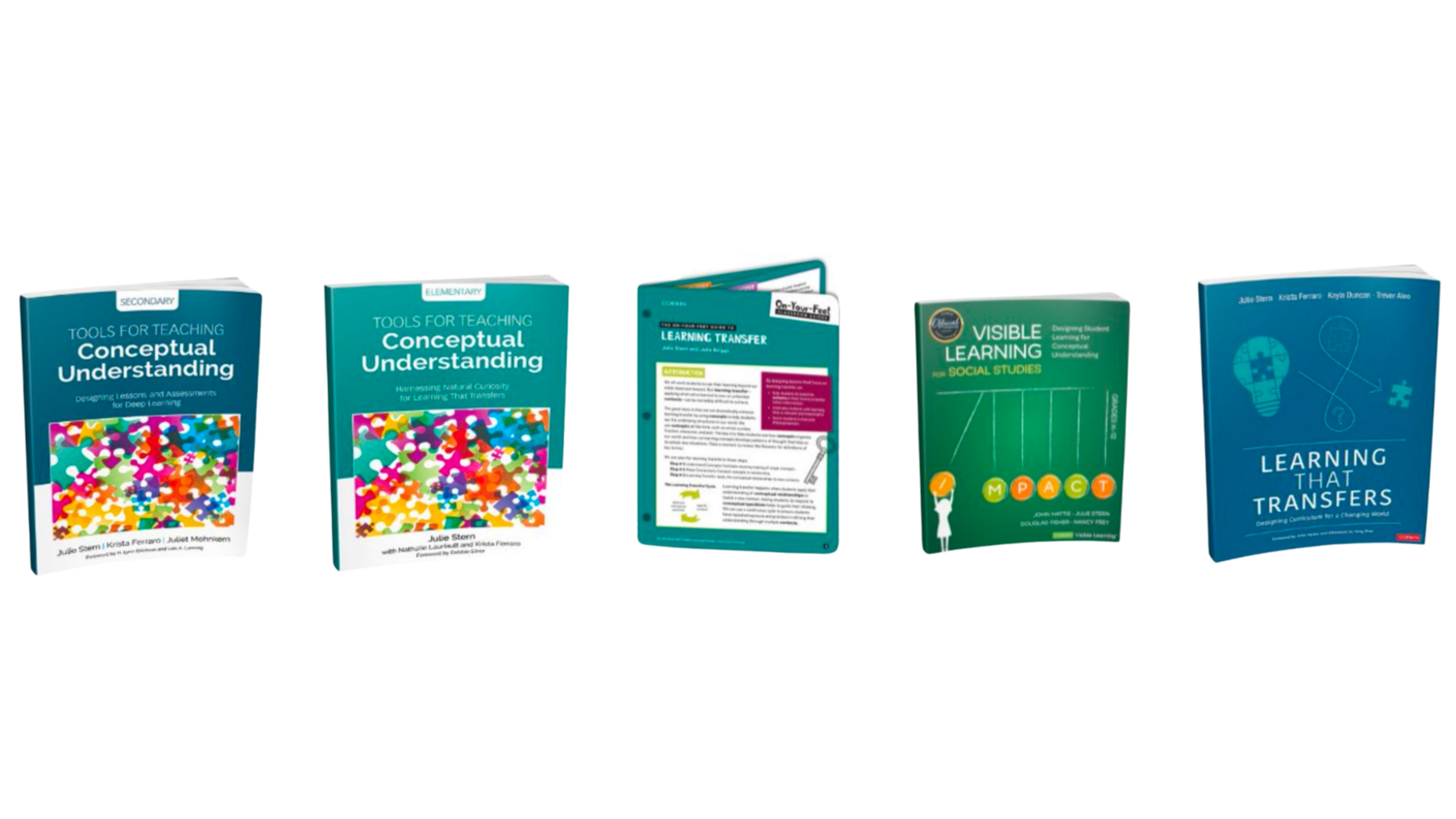
Professor John Hattie, Visible Learning
“Julie Stern is my go-to person on transfer because her work is the best in the world.”



Bring the Essential Concepts Framework to your school.
Give teachers access to a comprehensive framework and ready-to-use resources designed to strengthen conceptual understanding, inquiry, differentiation, and transfer.
School access can support:
Classroom instruction.
Curriculum development.
Instructional coaching.
Professional learning.
UDL implementation.
Stronger Tier 1 instruction.
Targeted conceptual support.
Interdisciplinary coherence.
School-wide approaches to deeper learning.